
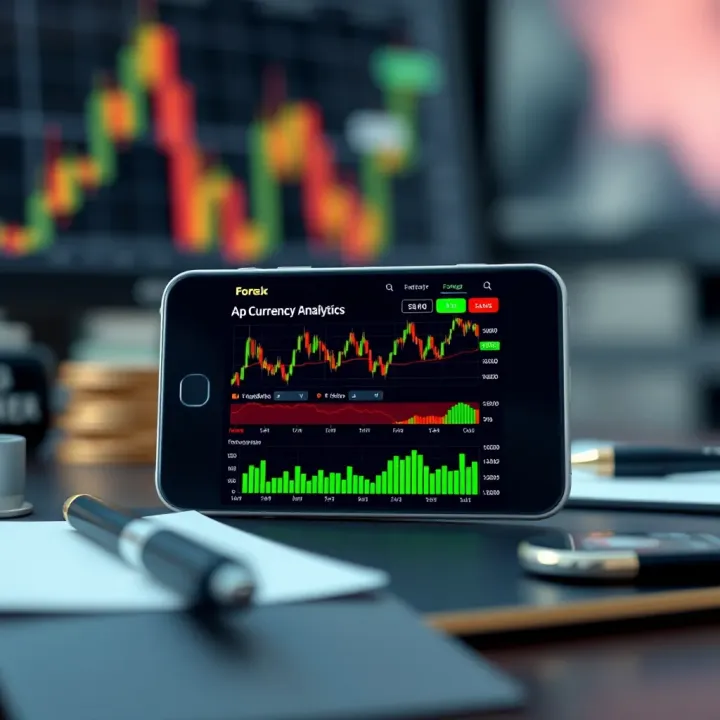
Best Forex Trading Apps in Nigeria: Practical Guide
Discover top forex trading apps in Nigeria 🌍 Compare features, check regulations, and get practical tips for safer, smarter currency trading 💹
Edited By
Charlotte Mills
Finding the right forex trading app can be tricky, especially for Nigerian traders navigating a market full of options and challenges like naira volatility and intermittent power supply. Free trading apps offer an accessible way to enter forex markets without upfront costs, but not all are built to meet the peculiar needs of Nigeria’s trading environment.
The trick is to choose platforms that balance user-friendly interfaces, low fees, and reliable execution. Look for apps that support local payment methods such as bank transfers or USSD payments, since these make depositing and withdrawing ₦ funds smoother. Also, platforms that run well on data plans common here, without hogging your bundle, stand out.

Security should never take a back seat. Check for apps regulated by respected bodies like the Nigerian Securities and Exchange Commission (SEC) or internationally recognised authorities. Your personal and financial data must be guarded tightly, especially given rising cybercrime rates.
Popular apps like MetaTrader 4 and 5, Olymp Trade, and IQ Option have won minds thanks to their global presence and local compatibility. Still, some Nigerian-focused fintech platforms are gaining ground by tailoring services for our market realities. These platforms strive to offer better customer support and incorporate local currency pairs.
Remember, the perfect app isn’t just about flashy features but also about reliability, affordability, and how well it fits your trading style and budget.
When you pick an app, test its charting tools, live data feeds, and educational resources. An app with demo accounts can help you sharpen your skills without risking your hard-earned naira early on.
In the sections ahead, we will review key features to prioritise when choosing your forex app, highlight leading free platforms endorsed by Nigerian traders, and share tips on how to stretch your capital for profitable trades. Keeping your wits about you and choosing wisely will pay off as you grow in the forex market.
Stay with us to learn how to sift through the buzz and make your trading apps work for you and your pocket.
Free forex trading apps have reshaped how Nigerians join the currency markets, allowing many who once found access costly or complex to trade with minimal upfront costs. These apps provide mobile platforms where users can buy and sell forex pairs directly, often at no initial fees, making them attractive entry points for newcomers and experienced traders alike.
Free forex trading apps are mobile or web-based platforms that let users trade foreign exchange currencies without an initial subscription or download cost. Unlike traditional brokerages demanding hefty capital or platform fees, these apps usually offer free access with some features supported through spreads, commissions on trades, or premium upgrades. For example, popular platforms like MetaTrader 4 and FXTM simply charge when trades execute, not for opening an account or app use.
These apps combine charting tools, price feeds, and trade execution into one interface, often with extra educational resources to help traders make decisions. Many also include demo accounts that mimic real trading environments with virtual cash. This setup allows users to try strategies without risking actual money.
Cost is a major factor for Nigerian traders turning to free forex apps. With many operating on limited capital—often below ₦50,000—eliminating platform fees preserves more funds for actual trading. Plus, the convenience of smartphone access means trades can happen anywhere, avoiding the need for laptops or desktops.
Free apps also reduce entry barriers for beginners eager to learn forex trading step-by-step. For instance, a Lagos-based trader can easily download a free app like Olymp Trade or MetaTrader and start practising using their phone during daily commutes in a yellow danfo without worrying about costly subscriptions.
Besides affordability, these platforms offer fast trade execution, multiple currency pairs (like USD/NGN, EUR/USD), and localised support with payment options that suit Nigerian bank accounts and mobile wallets. Many apps also provide updates about local economic indicators and CBN policies that influence market movements.
Though free forex trading apps sound promising, users should be aware of limitations that may come with 'free' access. Some apps restrict advanced tools or detailed analytics unless you upgrade. Furthermore, spreads and commissions may be wider compared to premium services, increasing overall trading costs.
Security is another concern. Not all free apps are regulated by recognised authorities such as the Securities and Exchange Commission (SEC) Nigeria or the Central Bank of Nigeria (CBN). Using unlicensed platforms can expose traders to fraud or sudden service suspension.
Connectivity must also be considered. Apps reliant on stable internet may struggle in areas with erratic power supply or slow mobile data, common challenges in many Nigerian cities.
Always verify that a free forex app is regulated and check user reviews before committing real funds. Remember, 'free' often means the platform earns through indirect fees or data.
In summary, understanding what free forex trading apps offer and their practical appeal helps Nigerian traders choose platforms that suit their budget, skill level, and local market conditions. Awareness of drawbacks prevents costly mistakes as traders look to grow their ₦ capital safely.
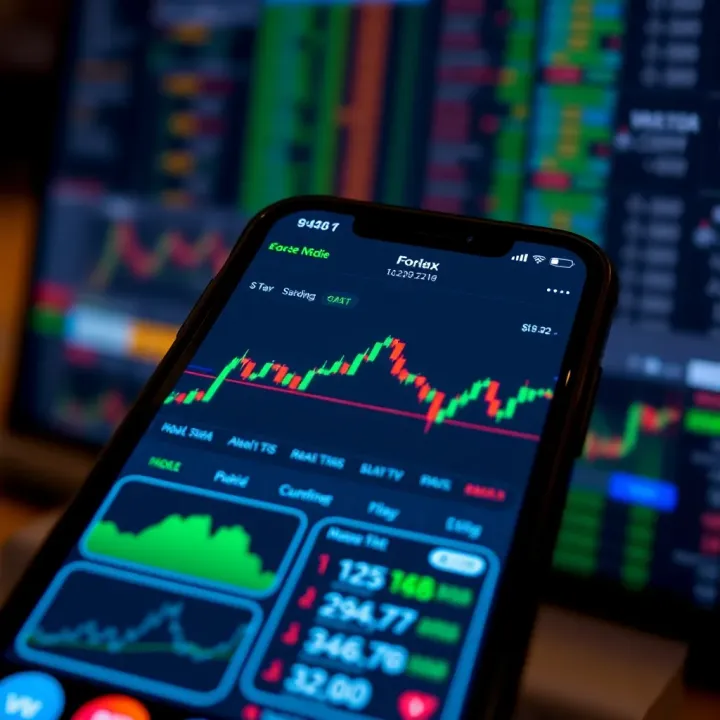
Selecting the right free forex trading app is critical for Nigerian traders who want to step into the forex market confidently. The features embedded in these apps greatly influence your trading experience, profit potential, and security. You should pay attention to certain core aspects that clarify an app’s functionality, reliability, and suitability for the Nigerian trading environment.
A simple and intuitive interface matters a lot, especially if you are fairly new to forex trading. An app that is cluttered with too many buttons, confusing charts, or hidden menus can easily lead to mistakes. For example, apps like MetaTrader 4 come with straightforward layouts where you can quickly locate open positions, access charts, and place orders. Easy navigation means less time fumbling and more time focusing on market moves. This improves your responsiveness to price changes — very important in fast-moving currency pairs like USD/NGN.
Getting live, accurate data can make or break your trading decisions. An app that feeds delayed or incomplete market info restricts your ability to act quickly. Popular apps offer real-time streaming prices, economic calendars, and technical indicators such as moving averages, RSI, and Bollinger Bands. These tools help you identify trends or reversals without needing separate websites or apps. For Nigerian traders, this cutting down on switching platforms reduces data costs and saves time, making trading more efficient.
Security has to be a top priority, given the prevalence of cybercrime risks today. Look for apps regulated by trusted bodies and those using encryption for data protection. For instance, a forex app compliant with the Financial Conduct Authority (FCA) or Securities and Exchange Commission (SEC) of Nigeria shows it meets standard safety protocols. Also, check if two-factor authentication (2FA) and biometric login features are available. These guard against unauthorised access to your account or funds.
Effective payment facilities tailored for Nigerian traders add convenience and reduce hassles. An app ideally supports local payment methods such as POS cards, bank transfers, or e-wallets like OPay and PalmPay. Flexible withdrawal terms ensure you have timely access to your earnings without unreasonable delays or high charges. Apps that accept ₦ deposits and allow withdrawals within Nigerian banking and mobile money systems make your trading seamless.
Choosing an app with these features means you are better equipped to navigate the forex market confidently while protecting your investment and time.
In summary, look for apps that blend ease of use, robust market insight tools, top-notch security, and convenient payment processes. These qualities combined will enhance your trading journey in Nigeria’s forex space.
In the crowded world of forex trading, choosing the right app can make all the difference, especially for Nigerian traders navigating local market challenges and currency fluctuations. Let's look at the most popular free forex trading apps favoured by Nigerians, focusing on what sets them apart, their strengths, and practical suitability.
IG Group stands out as a reputable global broker with a slick mobile app that appeals to Nigerian traders. Its platform offers a wide range of currency pairs alongside commodities and indices. The intuitiveness of its user interface is a plus for both beginners and intermediate traders. Nigerians particularly appreciate the app's advanced charting tools and clear real-time data, which help in making quick, informed decisions amidst the naira’s volatility. Additionally, IG’s UK-based regulation adds extra trust in a sector plagued by scams, giving Nigerian users peace of mind.
MetaTrader 4 (MT4) and its newer version MetaTrader 5 (MT5) remain giants among Nigerian forex traders due to their versatility and global acceptance. MT4 is popular for straightforward forex trading and expert advisor (EA) support, while MT5 offers extended features including stocks and futures trading. Both apps provide seamless trade execution and thorough technical analysis tools. Many Nigerian brokers integrate MT4 and MT5 in their offerings, allowing traders to use local payment options like bank transfers or e-wallets for quick deposits and withdrawals. Their broad support community and abundant tutorials also help users master trading strategies effectively.
FXTM (ForexTime) offers a dedicated trader app designed for speed and simplicity, which Nigerian traders find useful in Lagos’s heavy data costs and often unpredictable internet access. The app supports flexible order types, tight spreads, and access to various account types tailored to local traders' profiles. FXTM is known for regularly hosting educational webinars specifically catering to African markets, which Nigerian traders can benefit from. Also notable is its compatibility with local currencies and payment gateways, easing the deposit process without unnecessary forex conversions.
Olymp Trade is a favourite for Nigerian traders who prefer a straightforward, beginner-friendly environment. This app focuses on ease of use with simple charting and quick trade execution, making it attractive to those just stepping into forex trading. Olymp Trade also offers a demo account to practise without risking real capital — a vital feature when most Nigerians trade forex part-time alongside other jobs. While it isn’t a full brokerage platform like IG or MT5, it supports small stakes and local payment methods, which suits traders with limited funds.
Selecting a forex trading app is not just about the brand; it's about aligning platform features with your trading style and local realities like internet reliability, payment flexibility, and trustworthy regulation. These apps cater well to Nigerian traders by considering these factors.
By exploring these popular free forex trading apps, Nigerian traders can better identify the platform matching their needs, be it advanced analytics, user-friendliness, or local payment accommodation. Always remember to check the app’s licence status and user reviews before committing any funds to avoid the common traps in Nigeria's forex space.
Trading forex on free apps offers convenience and access, but safety must remain a top priority. With many Nigerian traders entering the market, understanding how to protect your funds and personal information becomes vital. This section highlights key steps to ensure security while using these platforms.
The safest forex apps operate under strict licensing and regulatory oversight. For Nigerian traders, it is best to use apps regulated by reputable authorities like the Financial Conduct Authority (FCA) in the UK, Cyprus Securities and Exchange Commission (CySEC), or licensed by the Nigerian Securities and Exchange Commission (SEC). These bodies enforce compliance with financial standards that reduce risks such as unfair practices or sudden shutdowns.
When choosing an app, look for visible proof of licence on the official website or within the app itself. For example, IG Group prominently displays its FCA licence details, showing it meets regulatory standards. Remember, unlicensed platforms often lack accountability, which could jeopardise your capital.
Nigerian traders frequently face scams that promise quick returns but drain funds instead. To avoid falling victim, always download apps from official sources like Google Play Store or Apple App Store. Beware of third-party websites offering modified or “cracked” versions claiming to be free.
Check user reviews and ratings prudently; hundreds of positive reviews do not guarantee legitimacy, as some scammers manipulate feedback. An app demanding unusually high deposits upfront or pressuring you to recruit others signals a pyramid or Ponzi scheme. Legitimate apps allow small deposits and provide transparent fee structures.
Remember, if a forex trading app sounds too good to be true, it probably is.
Forex apps require sensitive information such as bank details and identification numbers like Bank Verification Number (BVN). Protecting this data helps prevent identity theft and unauthorised withdrawals.
Use strong, unique passwords and activate Two-Factor Authentication (2FA) where available. Avoid trading or logging in on public Wi-Fi networks, which hackers can exploit. Regularly update the app and your device software to patch vulnerabilities.
Watch out for phishing attempts—fraudsters may send fake emails or messages pretending to be from the app’s support team asking for passwords or one-time codes. Never share such details.
By focusing on these safety measures, Nigerian traders can confidently engage the forex market via free apps, safeguarding their funds and data in a challenging environment. Safeguarding your investments is not just advisable; it is essential for sustainable trading success.
Making the most of free forex trading apps requires more than just downloading and clicking around. Nigerian traders need practical strategies to navigate challenges like naira volatility, limited capital, and fluctuating internet connectivity. This section breaks down key tips to help you use these apps efficiently, reduce risks, and improve your trading performance.
Demo accounts are a must-try when exploring forex trading apps. They simulate the live trading environment without risking your real money, letting you familiarise yourself with the platform’s interface, tools, and order types. For example, before putting in ₦20,000 on an app like MetaTrader 4, spend time trading with virtual funds. It offers a risk-free setting to test strategies like scalping or swing trading, helping you avoid costly mistakes. Many Nigerian brokers also use demo accounts to acclimatise traders to local market conditions and spreads, which differ from international markets.
Risk management is key to surviving forex trading, especially with free apps where leverage can tempt you to overtrade. A clear rule is to risk only a small fraction of your capital per trade, such as 1-2%. For instance, with ₦50,000 in your trading wallet, limit a single trade’s loss to about ₦500 to ₦1,000. Set achievable goals, like aiming for consistent weekly returns rather than chasing quick wins. Avoid the common pitfall of increasing position sizes after a loss, as this leads to bigger losses. Nigerian traders should also adjust their strategies to local events that influence currencies, such as CBN policy announcements or FX supply changes.
One practical advantage of some free forex apps in Nigeria is the availability of local payment options like bank transfers, USSD payments, or mobile wallets (e.g., OPay, PalmPay). Using these methods typically lowers transaction costs and shortens deposit or withdrawal times compared to international wire transfers. However, it’s vital to understand the charges involved. Some platforms impose withdrawal fees, conversion rates, or minimum limits. For example, if a trading app charges ₦1,000 to withdraw ₦50,000, that fee eats into your profits substantially. Always check if your bank or payment provider adds additional fees, especially for cross-border transactions.
Starting slow, controlling risks, and paying attention to transaction costs help Nigerian traders stretch their naira further and build confidence in forex trading apps.
With these tips, you stand a better chance of turning free forex apps into reliable tools for growing your trading skills and capital steadily. Be intentional about learning, cautious about risks, and savvy on payment details to turn the forex market into a source of opportunity rather than loss.
Discover top forex trading apps in Nigeria 🌍 Compare features, check regulations, and get practical tips for safer, smarter currency trading 💹
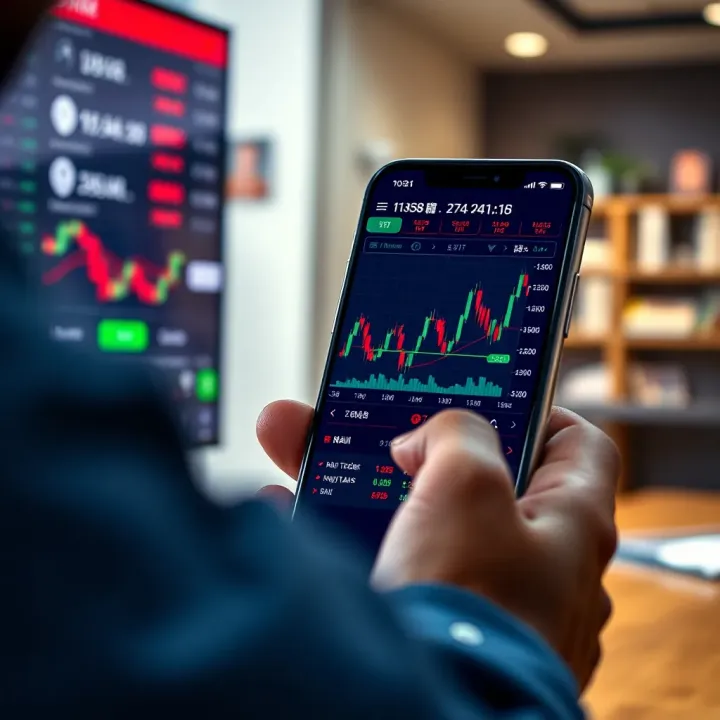
📊 New to forex trading in Nigeria? Find the app that fits your skill level, with top features, strong security, and easy navigation for beginners.
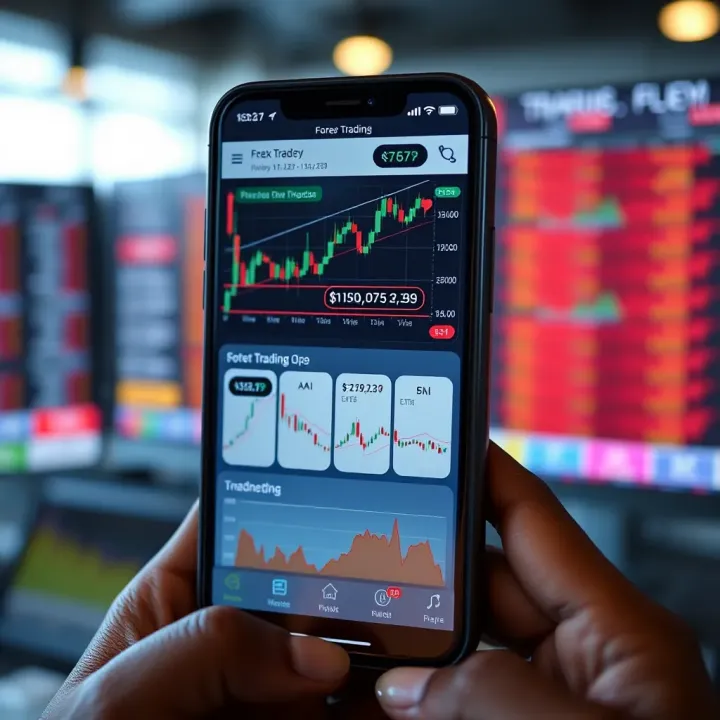
📱 Discover how to pick the best forex trading apps in Nigeria 🇳🇬, understand key features, regulations, risk tips, and get started with mobile trading confidently.
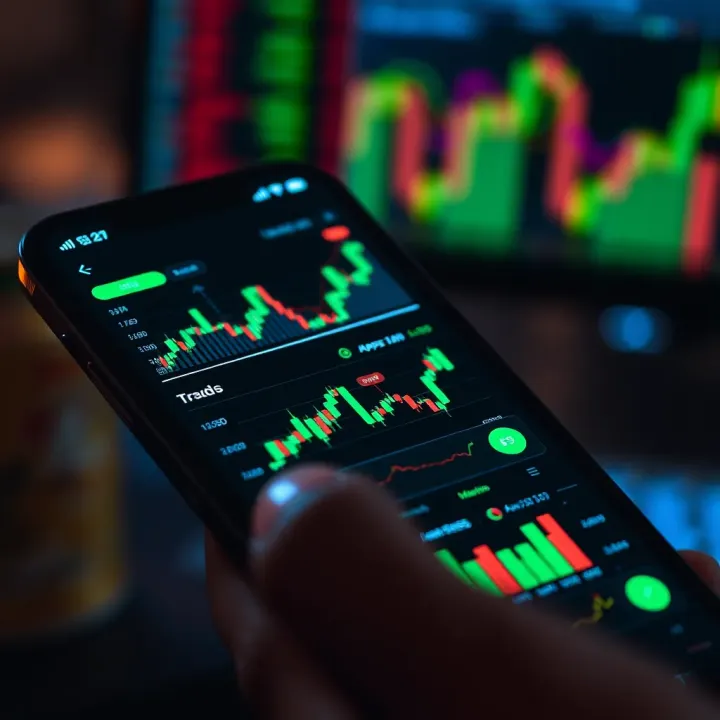
Discover the best trading apps for Nigerians 🇳🇬 to buy and sell assets wisely. Get tips on safe trading and learn how to grow your money effectively 💰📈
Based on 7 reviews