

Top Forex Trading Books for Nigerian Traders
📚 Discover top forex trading books tailored for Nigerian traders! Get practical tips and reviews to master Nigeria's forex market confidently. 🇳🇬💹
Edited By
George Mitchell
The world of forex trading can feel like a maze, especially if you're just setting foot into it. For Nigerian traders, the challenge doubles with unique market conditions, currency fluctuations like naira volatility, and local economic factors in play. That's why picking the right book to guide you through this maze isn’t just a good idea — it’s essential.
In this article, we'll walk through what makes a forex trading book truly useful for Nigerian traders. We'll cover the must-have features to look out for, share summaries of standout titles, and offer practical tips on applying what you learn, tailored specifically to the realities of trading in Nigeria.

Whether you're a rookie curious about where to start or someone who’s been dabbling and wants to sharpen your edge, getting the right information in your hands can be the difference between spinning your wheels and making smart, confident moves in the market.
Remember, the forex market isn’t just about numbers; it’s about understanding the trends, managing risks, and keeping your cool when the market throws curveballs. The best books offer more than theory — they bring actionable knowledge that fits your trading goals.
Let’s dive in and find the guide that feels like it was written just for you, helping you trade smarter and better in Nigeria’s forex scene.
Before diving headfirst into the deep end of forex trading, it’s crucial to get a solid grasp of the basics. Understanding forex trading basics isn’t just some formal step—it shapes how well you navigate the twists and turns of the market. For Nigerian traders especially, knowing these fundamentals helps avoid costly mistakes and sets you up to recognize real opportunities.
Forex trading involves exchanging currencies in a global market that operates 24/5, making it one of the most accessible and flexible trading spaces out there. But without understanding what’s going on behind the scenes, it’s easy to get lost in the noise. For instance, knowing why the US dollar’s strength affects the Nigerian naira’s value can guide your choices and timing.
Grasping basics also helps you make sense of the many books and resources available. When a book talks about pips, leverage, or currency pairs, you won’t feel like it’s a foreign language anymore. This puts you in a better position to learn from the experiences of successful traders and avoid pitfalls.
Forex trading, or foreign exchange trading, is simply buying one currency while simultaneously selling another. This market controls the value of currencies globally. For example, if you buy euros with US dollars, you’re hoping the euro will strengthen against the dollar so you can sell back at a profit.
It’s different from stocks or commodities because you’re trading currency pairs like USD/NGN, EUR/USD, or GBP/USD, which fluctuate due to economic factors, political events, or even market sentiment. Say Nigeria announces new economic policies—these changes can influence the naira’s value, creating trading opportunities.
As a Nigerian trader, you’re not only competing in a global arena but also dealing with local factors like exchange rate regulations and Naira liquidity. This dual aspect makes forex trading both exciting and challenging.
Books on forex trading pack a lot more punch than you might guess. Unlike a quick online article or a flashy tutorial, a good book digs deeper. It walks you through core concepts, offers tested strategies, and shares insights from traders who have been through it all.
Moreover, forex trading books give you a foundation to build on. Instead of chasing random tips, you get structured knowledge that helps you develop a trading plan. For example, reading "Currency Trading for Dummies" by Brian Dolan might give you practical ways to approach risk management—a vital skill when markets swing wildly.
Reading is especially important in Nigeria’s trading environment where access to consistent financial education isn’t always guaranteed. A solid book can fill that gap, explaining how leverage works or how to analyze charts tailored to local market conditions.
Well-chosen forex books can save you time and money by showing you the ropes before you put your real capital on the line. It's like learning to drive with an experienced instructor instead of just jumping behind the wheel.
In short, understanding the basics of forex trading and reading the right books gives Nigerian traders a fighting chance to make smarter decisions and avoid the noise and hype that cloud the market.
Finding a solid book on forex trading isn't just about picking the one with the flashiest cover or the longest page count. A good forex trading book packs specific qualities that make it worth your time and effort, especially for Nigerian traders facing unique market dynamics. These features help you not only understand the basics but also navigate the twists and turns of the forex market with more confidence.
A well-structured book breaks down complex ideas into simple, digestible chunks. It offers actionable advice, not just theory, and speaks directly to challenges traders encounter — like how local economic factors affect currency pairs involving the naira. Beyond the technical jargon, it’s a guide that builds a practical foundation and sharpens your skills to make smarter trades.
At the heart of any good forex trading book is a clear explanation of fundamental concepts. Forex trading involves a swarm of terms and moving parts — think pips, lots, leverage, spreads, and currency pairs. Without solid definitions and plain-language explanations, beginners get lost easily. For example, a top-notch book might describe leverage by comparing it to borrowing money from a friend to place a larger bet at a local market, pointing out the risks and rewards.
The best books for Nigerian traders take time to explain how global events, their impact on currencies, and trading hours align with the country's trading schedule. Avoid books that throw around buzzwords without laying a solid groundwork first. Look for those that use simple examples and plenty of visuals to make things stick.
It's one thing to know what forex trading is, but another to know how to do it well. Good trading books don’t just hammer theory; they show you how to put strategies into practice. This might include moving average crossovers, breakout trades, or even how to read candlestick charts — all explained step-by-step.
Effective books guide you through creating and testing trading systems, so you don’t have to plunge in blindly. For instance, a well-rounded book might demonstrate how to apply simple moving average strategies on USD/NGN charts and explain when to adjust stop losses to protect against sudden market moves. If a book isn’t offering tactical insights like these, it’s probably more fluff than substance.
One glaring mistake new traders make is charging ahead without a safety net. Good forex books emphasize risk management as much as entry and exit points. Understanding how to set stop-loss orders, manage position sizes, and calculate risk/reward ratios can prevent small losses from turning into financial disasters.
For Nigerian traders, managing risk means factoring in the high volatility of the naira, potential broker risks, and local regulatory frameworks. Books that integrate such considerations offer a real advantage. They might, for example, advise on setting tighter stops in volatile sessions like during political announcements or central bank rate changes.
Risk management isn’t just a chapter; it’s the backbone of surviving the forex market. Without it, even the best strategies fall apart.
Forex books that resonate most with Nigerian traders include examples tailored to the local trading environment. Generic books might focus mostly on the USD/EUR or USD/JPY pairs, which have less direct relevance here. Instead, a good book will incorporate case studies or examples involving the naira, as well as emerging market dynamics.
For example, it might show how the Central Bank of Nigeria’s policies affect the FX market, or explain how to interpret market sentiment when oil prices dip, considering Nigeria’s oil-driven economy. It’s like learning to fish where you actually fish — not someplace halfway around the world.
Books that local authors write or that have input from Nigerian traders often hit this nail on the head, explaining nuances you won’t find anywhere else.
Focusing on these features not only saves you from drowning in useless info but gives your trading skills the right kind of boost. A book that clearly explains concepts, offers practical strategies, teaches solid risk management, and relates directly to Nigerian traders’ experiences will pay off in the long run — helping you make smarter moves in the forex market.
When it comes to building a strong foundation in forex trading, nothing beats learning from the right books. For Nigerian traders, this means choosing resources that not only cover global trading principles but also touch on nuances relevant to the Nigerian market. Books recommended here are selected based on clarity, practical usefulness, and credibility, ensuring traders get no fluff, just solid information.
These books serve as guides to avoid common pitfalls and shine a light on core concepts that might otherwise seem complicated. For example, "Currency Trading for Dummies" by Brian Dolan offers a straightforward introduction ideal for beginners, breaking things down without jargon. On the other hand, books like "Japanese Candlestick Charting Techniques" by Steve Nison dive into specific strategies that are useful once you grasp the basics.
Picking the right book can save you from wasting time on trial-and-error and help you develop a sharper trading edge in Nigeria’s sometimes volatile market.
Foundations and basics books cover everything from understanding how currency pairs work to the mechanics of the forex market, including trading hours, spreads, and leverage. They provide the essential vocabulary and introduce key indicators and chart types. Many cover the importance of risk management early on, which is a lifesaver, especially if you’re trading with limited capital.
Put simply, these books give you the groundwork so that you don't start off trying to run before you can walk. You learn about order types like market and limit orders and get introduced to fundamental and technical analysis. These books are hands-on with examples that show how to interpret market movements without overwhelming you.
If you're new to forex or have tried trading with losses piling up, start here. Nigerian traders who want to understand the market without wading through complicated, textbook-style writing will find these books approachable. Beginners who prefer step-by-step instructions and clear examples will benefit the most.
Also, traders switching from other markets like stocks or crypto should refresh their understanding via these foundations since forex has its own quirks, especially when considering factors like currency volatility tied to commodities affecting Nigeria.
Once you've mastered the basics, it’s time to get your hands dirty with advanced strategies. These books delve into techniques like swing trading, scalping, and hedging. They introduce the use of sophisticated indicators such as Fibonacci retracements, Bollinger Bands, and the Relative Strength Index (RSI).
They also cover backtesting strategies and optimizing trading systems to minimize losses and maximize gains. For example, reading about Elliott Wave theory can help anticipate market cycles, while others explain how to combine multiple indicators to confirm entry and exit points.
Advanced strategies should be customized for the Nigerian trading environment. Books discussing market timing are especially relevant here since Nigerian traders must consider local forex restrictions, Naira’s volatility against the dollar, and geopolitical risks.
A practical tip from these readings: avoid overly aggressive positions during election years in Nigeria when the FX market can swing wildly. Also, some books highlight the importance of staying informed about Central Bank of Nigeria policies since they directly impact currency stability.
Forex trading can be a rollercoaster — not just financially but emotionally. Books focusing on trading psychology emphasize the power of discipline over fancy strategies. A trader’s mindset is often the difference between consistent success and repeated losses.
These books explain how fear and greed can cloud judgment, leading to impulsive trades or hesitance that can cost money. Understanding this helps traders maintain emotional balance, stick to their plans, and avoid chasing losses.
A few takeaways include journaling every trade to identify emotional patterns, setting stop-loss levels diligently, and learning to accept small losses quickly instead of hoping the market will turn around. Books like "Trading in the Zone" by Mark Douglas offer exercises to build mental resilience.
For Nigerian traders, dealing with frustrations like internet hiccups or sudden broker issues can tempt rash decisions. Psychological insight prepares you to handle these setbacks calmly, keeping your long-term goals on track.
By picking books that suit your current skill level and environment, you’re more likely to build a solid, realistic approach to forex trading that sticks. Remember, the right knowledge combined with patience and practice is what makes a successful trader out of anyone willing to put in the work.
Applying what you've learned from forex trading books to the actual market isn't just a box to tick—it’s where theory meets reality. For Nigerian traders, bridging this gap can be challenging due to unique market conditions, local currency fluctuations, and sometimes limited brokerage options. Understanding the importance of a solid plan, hands-on experience, and local adaptations can save you from costly mistakes.
A well-crafted trading plan acts like a blueprint for your forex activities. It spells out your goals, risk tolerance, preferred strategies, and daily routines, which you typically find emphasized in key forex books. Without one, you're flying blind, especially when unexpected market swings occur.
Start by defining clear, measurable goals—do you want steady small gains or are you looking for bigger but riskier profits over time? For example, a Nigerian trader might aim for a 5% monthly return, which is realistic given the local economic climate and volatility.
Next, set risk management rules, such as never risking more than 2% of your capital on a single trade. This practice helps preserve your bankroll during losing streaks. Incorporate stops and take-profit levels, as recommended in books like "Currency Trading for Dummies" by Brian Dolan.
Lastly, note your preferred trading hours. Nigerian traders should consider both local business hours and the Forex market's opening and closing times, especially the London and New York sessions which overlap and often offer the most liquidity.
Before putting real money on the line, practising with demo accounts is a must. They let you test strategies, understand platform tools, and experience live market movements without any risk. Think of demo accounts as your forex gym—the place to build muscle before the big game.
For instance, brokers like FXTM and Alpari offer demo accounts tailored for Nigerian traders, with real-time pricing and even some tutorials. Use these accounts to implement book-based strategies as closely as possible and monitor your performance. Keep a journal of trades to reflect on what works and what doesn’t.
Many traders overlook demo practice and rush into live trading, which often leads to unnecessary losses. Taking the time to master demo trading can turn theoretical knowledge into practical skills.
Forex strategies described in global books assume ideal conditions, but Nigerian traders often face extra hurdles like currency controls, wider spreads, and unreliable internet connections. Adapting these strategies is essential.
For example, take the carry trade strategy that relies on borrowing currencies with low-interest rates to invest in those with higher rates. In Nigeria, due to Central Bank restrictions, this can be tricky or even impossible with the naira. Instead, traders could focus on swing trading, which benefits from local market volatility and shorter holding periods.
Another consideration is timing. Nigerian traders experience peak internet outages during certain hours, so scheduling trades around these lapses can reduce execution errors. Additionally, choosing brokers with servers close to your location or who offer Nigerian naira accounts can minimize currency conversion costs and delays.
Tip: Trial and error is key. Don't be afraid to tweak strategies learned from books while keeping a close eye on how those adjustments affect your results in the local context.
Adapting lessons from forex books to fit Nigerian realities helps traders avoid pitfalls, stay flexible, and ultimately, become confident in navigating their unique market environment.
In the forex trading world, Nigerian traders often run into challenges that can make or break their trading careers. Understanding these obstacles is key to building resilience and making smarter decisions. Recognizing these common pitfalls helps traders prepare better and avoid costly mistakes often seen among beginners and even seasoned players.
Market volatility is like a wild roller coaster ride – unpredictable and sometimes scary. Nigerian traders experience sharp swings in currency prices influenced not just by global shifts but local factors like political instability, economic policies, and sudden changes in the naira-dollar exchange rate. For example, when the Central Bank of Nigeria tweaks interest rates, it can send shockwaves through the forex market.
Managing this requires traders to keep their eyes glued to both global news and local economic signals. Using stop-loss orders and setting realistic profit targets helps cushion the impact of sudden drops or spikes. Also, diversifying trading pairs beyond just USD/NGN, like including EUR/USD or GBP/USD, can spread risk and reduce exposure to local volatility.
Emotions—especially fear and greed—can easily hijack a trader’s decision-making process. It's easy to fall into the trap of chasing losses or risking too much after a streak of wins. Nigerian traders might find themselves holding onto losing positions for too long, hoping the market will turn, or jumping into trades without solid analysis because of FOMO (fear of missing out).
Discipline is the antidote to impulsiveness. Setting clear rules from books like Trading for a Living by Dr. Alexander Elder can help manage emotions. Tools such as journaling trades and reviewing them honestly help spot emotional mistakes. Remember, trading isn't about quick riches; it’s about steady growth and controlling your mindset.
"The best traders are those who can keep their cool when the market gets hot."
Nigerian traders face a maze of regulatory challenges that can complicate their forex trading journey. Unlike countries with straightforward forex regulations, Nigeria's evolving regulatory framework means traders have to be extra cautious. Some brokers operating locally may not be fully licensed or might engage in questionable practices.
It's critical for traders to work only with brokers regulated by recognized bodies like the Nigerian Securities and Exchange Commission (SEC) or internationally respected authorities like the Financial Conduct Authority (FCA) in the UK. Doing due diligence—checking broker reviews, verifying licenses, and understanding withdrawal processes—helps avoid scams.
For example, some Nigerian traders fell prey to firms promising guaranteed returns but refusing withdrawals. This highlights the need for cautious broker selection and awareness of local policies affecting fund transfers and forex trading activities.
By being aware of these common challenges, Nigerian traders can better equip themselves to navigate the tricky forex waters and build sustainable trading practices.
In the world of forex trading, especially within the Nigerian market, misinformation and scams can easily derail a trader’s progress. As forex attracts many eager learners, it unfortunately also draws those who write books without solid knowledge or intent to mislead for profit. Knowing how to steer clear of these pitfalls ensures you invest your time and resources in genuine, helpful content that can actually improve your trading skills.
Reliable information lays the foundation for smart decision-making and realistic expectations. When you rely on dubious books, you might find yourself chasing unrealistic profits or adopting unsafe practices, which could lead to significant losses. To avoid these traps, you must develop a keen eye for spotting trustworthy forex books and authors.
One solid way to avoid scams is by checking who wrote the book and where it was published. Credible authors usually have a track record in trading, teaching, or financial writing, with verifiable credentials. Look for authors who have been active in the Nigerian or broader forex community or who have practical trading experience supported by testimonials or verified profiles.
Publishers also say a lot about a book’s reliability. Established publishers tend to have higher editorial standards. If a book is self-published or from an unfamiliar source, it's wise to scrutinize it more closely. For instance, a book published by Wiley or McGraw-Hill is often more reliable than a cheaply printed booklet with no reviews.
Another red flag is an author promising "get rich quick" schemes or guaranteed profits—forex trading, by nature, involves risks, and no credible expert can claim otherwise. These promises often signal shallow or deceptive content geared more toward selling books than providing learning.
Forex markets shift constantly, influenced by global events, economic policy changes, and new technologies. A forex book that was gold standard five years ago might be outdated today, offering strategies that no longer work or ignoring new market realities.
Always check the publication date and see if the book has been updated with recent editions. Pay attention to whether it discusses current market conditions, recent technological tools like MetaTrader 5, or popular brokers commonly used by Nigerian traders such as Pepperstone or FXTM.
Books that include references to recent economic events, like OPEC decisions or changes in the Central Bank of Nigeria’s policies, show the author is attentive to the evolving forex landscape.
No single book should be your only source of information. A solid trader cross-checks insights from several books, articles, and other learning materials. This approach helps confirm accuracy and fills in gaps one book might miss.
For example, if a book recommends a trading strategy involving the Relative Strength Index (RSI), look at other well-regarded resources to compare how that strategy is explained and applied. If multiple reputable sources align on a method, it’s more likely to be sound.
Also, dive into reviews and discussions on forums like BabyPips or Trade2Win where traders share real experiences with certain books and authors. Feedback from the forex community often alerts you to reliable or suspicious content.
In forex education, it's wise to treat information like a puzzle—piecing together insights from various angles lets you form a clearer picture and avoid costly mistakes.
By following these guidelines—checking who wrote the book, ensuring content is current, and verifying lessons through multiple sources—you'll be well-armed against scams and misinformation. This careful approach not only protects your wallet but also helps you build a solid foundation for success in forex trading.
While books are invaluable, leaning only on them might leave gaps in your learning. Forex trading is dynamic, affected by real-time events, market psychology, and evolving tools. Complementing your reading with other resources ensures you stay sharp and adapt quickly. Nigerian traders, facing unique market conditions, can particularly benefit from tapping into diverse learning channels.
Online forums like BabyPips and Forex Factory are gold mines for current insights and peer support. Nigerian traders often share firsthand experiences with local brokers or market quirks, which you won’t find in books. For example, discussions might include navigating Naira fluctuations or dealing with deposit delays specific to Nigerian banks. Being active in these forums helps you test ideas, get feedback, and avoid common pitfalls fellow traders have faced.
Visual learning through webinars and video tutorials can bring complex forex concepts to life. Platforms such as FXStreet and Investopedia offer free videos covering everything from candlestick patterns to advanced risk management. Live webinars hosted by experienced traders sometimes address region-specific trends, like how global oil prices can sway Nigeria’s currency. These sessions allow you to ask questions on the spot and get practical tips from pros.
No book or video substitutes real trading practice. Opening a demo account with brokers like FXTM or HotForex lets you try out strategies risk-free. For Nigerian traders, demo trading helps you get used to local broker platforms and regulations. Over time, moving to small live trades gives you firsthand experience with order execution delays or slippage that might not be obvious from reading alone. This hands-on approach builds confidence and hones decision-making skills under real market pressure.
Combining book knowledge with active engagement in communities, multimedia learning, and real trading practice forms a solid foundation. This mix will prepare you better for the twists and turns of forex trading in Nigeria's unique environment.
📚 Discover top forex trading books tailored for Nigerian traders! Get practical tips and reviews to master Nigeria's forex market confidently. 🇳🇬💹
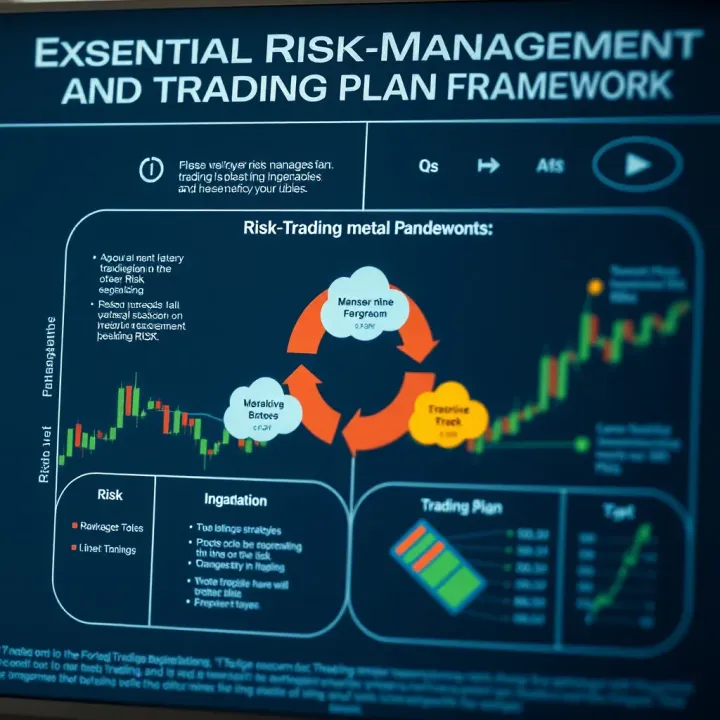
📈 Learn forex basics, trading strategies, risk control & tools. Perfect for Nigerian beginners aiming to trade currency pairs with confidence.
Discover top forex trading apps in Nigeria 🌍 Compare features, check regulations, and get practical tips for safer, smarter currency trading 💹
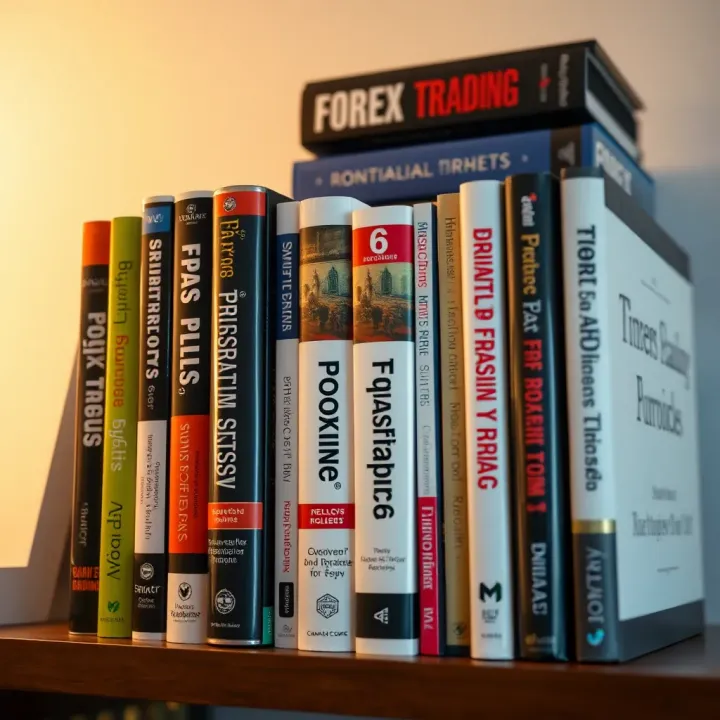
📘 Discover the best books for forex trading! Explore strategies, risk management, market analysis & pick the right guide for your trading level.
Based on 14 reviews