

Crypto Trading Guide for Beginners in Nigeria
📊 Dive into crypto trading with our detailed guide! Learn key strategies, tools, risks, and regulations to trade smartly in Nigeria and beyond. 💡
Edited By
Liam Foster
Crypto trading bots have become a buzzword among investors and traders looking to gain an edge in the volatile cryptocurrency markets. But if you're new to this space, it’s easy to get overwhelmed by all the options and tech jargon thrown around. This guide aims to cut through the noise and give you solid, practical advice on how to pick a trading bot that actually works for you.
Trading bots are designed to automate the buying and selling of digital currencies like Bitcoin, Ethereum, and others. They can help reduce emotional decisions, handle trades 24/7, and execute strategies faster than a human ever could. However, not all bots are created equal — some might be too complex, while others don’t offer enough features or safety.

In the sections ahead, we’ll break down the core features of successful crypto bots, what to look out for, and how to match a bot’s strengths with your trading style and goals. Whether you’re managing a modest portfolio or handling larger investments, understanding these basics can help you avoid common pitfalls and make more confident trading choices.
Picking the right crypto trading bot isn’t just about fancy algorithms or flashy ads; it’s about finding the right tool that fits your unique approach to trading and investing. Let’s get into the nuts and bolts and help you find that perfect fit.
Understanding how crypto trading bots work is a key step before diving into their use or selection. These bots act as your 24/7 virtual traders, handling transactions swiftly and without the delays or emotional biases that often trip up human traders. For anyone serious about navigating the crypto market, knowing these basics can make a big difference in managing risks and maximizing gains.
At the heart of every crypto trading bot lies its algorithm—a set of rules and formulas designed to analyze market data and make trading decisions. Think of it as the bot’s brain, scanning through price charts, volume shifts, and market trends to spot the best entry and exit points. This automation removes hesitation and helps the bot act faster than a human could, which is crucial in an ever-changing market. For example, a bot using this method might automatically buy Bitcoin when the price dips by 2% within a certain timeframe, capitalizing on short-term price corrections.
One of the biggest perks of a trading bot is its ability to place orders on your behalf. Once the bot’s algorithm identifies a trade opportunity, it executes buy or sell orders without you lifting a finger. This immediacy is vital—delays in manual trading can mean lost profits or higher risks. Say the bot spots an arbitrage opportunity between Binance and KuCoin exchanges; it will execute the trades instantly, leaving no room for the market to shift against you while you’re fumbling with the interface.
Markets don’t sleep, and neither do trading bots. Unlike a trader who may need rest or gets distracted, these programs keep an eye on multiple markets and indicators around the clock. This nonstop surveillance allows the bots to react quickly whenever price movements or volume changes meet their programmed criteria. For example, if Ethereum suddenly spikes in volume indicating potential price movement, the bot can catch this early and adjust its strategy accordingly without missing a beat.
This strategy banks on the idea that prices often move in directional trends for some time. Bots programmed for trend following track moving averages or other indicators to jump on a rising trend or exit positions when the trend reverses. Picture a bot detecting a steady climb in Litecoin over several hours and deciding to buy, riding the momentum until the trend shows signs of slowing down. This method is straightforward but depends on markets trending rather than bouncing sideways.
Arbitrage involves exploiting price differences of the same asset across different markets. Crypto bots scan various exchanges for these gaps—say Bitcoin is $200 cheaper on one platform than another—and execute simultaneous buy and sell orders to lock in risk-free profit. Given how quickly these gaps close, bots are perfect for this strategy due to their speed and precision. But keep in mind, fees and transfer times can affect profitability here.
Market making bots provide liquidity by placing buy and sell orders around the current price. They profit from the small spreads—the difference between buying and selling prices. This means constantly adjusting orders to match market moves. A good market making bot used on Nigerian exchanges like Quidax or Bundle might post orders that earn tiny profits repeatedly throughout the day, helping to keep the market liquid.
This approach assumes prices don't stray too far from their average over time. Bots using mean reversion will buy undervalued assets when the price dips below its typical range and sell when prices bounce above it. Imagine a bot noticing that Dogecoin usually trades around 30 cents but suddenly drops to 25 cents; it would see this as a chance to buy low, expecting it to revert. This can work well in stable markets but less so during strong trends.
Understanding these operational principles and strategies helps traders choose a bot that suits their style and risk profile. Whether you want a hands-off system that rides trends or a sharper tool for arbitrage, the first step is knowing how these bots tick.
When you’re diving into crypto trading bots, knowing what features to look for can save you a heap of time and trouble. Picking the right bot isn't just about fancy promises but about the nuts and bolts that make it tick reliably and safely for your trading goals.
Compatibility with major and local exchanges is a must-check. Think of it like this: even if you have a slick car, it’s no good if the roads you drive on don’t support it. Bots that connect with big names like Binance, Coinbase, or KuCoin offer access to vast markets and often have better security protocols. But if you’re trading out of Nigeria, bots that link up with local exchanges like Quidax or Bundle ensure smoother deposits, withdrawals, and fewer headaches with currency conversions or regional restrictions.
Range of cryptocurrencies supported is another key point. Some bots stick to just Bitcoin and Ethereum, while others cover a whole buffet of altcoins including lesser-known tokens. Imagine you want to diversify or grab quick opportunities in coins like Cardano (ADA) or Polkadot (DOT) – you’ll want a bot that doesn't limit you. So, always check the coin list upfront and see if it matches your trading interests.
When it comes to simple installation process, the less fuss, the better. Nobody wants to spend hours wrestling with code or complicated setup guides. Top bots usually offer easy download options with straightforward steps or even web-based platforms that let you start trading right from a browser. For instance, platforms like 3Commas or Cryptohopper are known for their friendly onboarding.
Then there’s clear dashboards and controls—your control panel should feel like a cockpit, not a maze. A good UI offers real-time updates, easy-to-read stats, and buttons or toggles that make adjusting your strategy a breeze. Imagine not having to click through a dozen tabs just to tweak your stop-loss settings. This clarity helps especially when market swings are fast, letting you react quickly.
API key management is crucial because this is essentially the bot’s ticket to your exchange account. A bot that offers fine-grained API permissions—like restricting withdrawal rights—is safer. You don’t want to hand over full control, which can be a disaster if the bot or service gets compromised.
Regarding encryption standards, solid bots protect your data using up-to-date encryption like AES-256. This means that your sensitive info, especially API keys and login details, aren’t floating around in readable form where hackers could snag them.
Finally, data handling policies matter a lot in terms of privacy. A trustworthy bot respects your data, doesn’t sell it off, and makes clear what it does with your trading history or personal details. Bots that publish transparent privacy policies and adhere to regulations are generally safer bets.
Keep in mind, a flashy bot with tons of features is useless if it can’t connect to your preferred exchange, is tough to use, or slips up on security. Prioritize these key features to align trading technology with your practical needs and safety.
The right choice depends heavily on your trading style, which exchanges you prefer, and how much hassle you’re willing to handle. Start by listing your must-haves on these fronts and cross-check with bot options — and you’ll find your best fit much faster.
When it comes to picking the right crypto trading bot, understanding its performance and reliability is non-negotiable. Not every shiny interface or big marketing promise translates to real-world profitability or stability. By digging into a bot’s track record and reliability factors, traders avoid getting caught off guard by bugs, security flaws, or unfulfilled promises. Especially in the volatile Nigerian crypto market, trusting a bot that keeps steady in tough times can save you from headaches and losses.

One of the first things to check is whether a bot has verified performance reports. Some bots showcase flashy stats, but these numbers might be cherry-picked or unproven. Verified reports usually come from independent third parties or trusted platforms where the bot’s actual trades and returns are documented transparently. For example, Cryptocompare and CoinGecko sometimes offer performance audits or aggregated user data that can help you gauge effectiveness.
Having access to verified results helps you measure a bot's profitability in real-world conditions, not just hypothetical backtests. It also offers insights into how the bot performs under different market states — bull runs, crashes, or sideways markets. This last point is critical; a bot that makes money only in roaring bull markets but tank in others might be a poor long-term choice.
User reviews and community chatter are treasure troves of practical knowledge. A bot’s official site rarely mentions glitches or bad days, but forums like BitcoinTalk, Reddit’s r/CryptoCurrency, or local Telegram groups often reveal common bugs, hidden fees, or slow customer support. Look out for recurring complaints like unexpected crashes, withdrawal issues, or poor API management.
Keep in mind, every bot will have some negative reviews; what matters is the overall trend and the developers' response. Are issues quickly fixed? Do users report steady improvements? For example, if many Nigerians report trouble using a bot with local exchanges like Bundle or Quidax, that might be a red flag affecting usability in your region.
Good bots don’t just chase profits blindly; they help protect your capital with stop-loss and take-profit controls. Stop-loss automatically exits losing trades at a set threshold, preventing catastrophic losses, while take-profit locks gains once a preset profit target is hit. These features are crucial in crypto’s wild swings.
For instance, if you set a stop-loss at 5% below your purchase price and a take-profit at 10% above, the bot ensures emotional decisions don’t lead to unnecessary losses or missed gains. Bots that allow flexible, customizable levels for different trading pairs and market conditions provide better control and adaptability.
Every trader has a different appetite for risk—what’s comfortable for one might be nerve-racking for another. Bots offering adjustable risk settings let you tweak how aggressive or conservative the trading algorithms behave. This could include altering trade size percentages, leverage limits, or volatility thresholds.
A beginner might want to start on a low-risk profile, trading small portions with strict stop-losses, while an experienced trader might push the envelope during high-volatility windows. Bots like 3Commas and Pionex provide these options, making it easier to align the bot’s strategies with your personal risk tolerance and financial goals.
Choosing a bot without considering its risk management features is like driving a car with no brakes — it might look swift, but the potential crash isn’t worth it.
By carefully evaluating these performance and reliability aspects, Nigerian traders can avoid common pitfalls and select crypto trading bots that truly align with their trading style and market environment.
Choosing the right crypto trading bot isn’t just about features or performance; understanding the cost structure is equally important. Costs can significantly affect your overall profitability, especially if they pile up unnoticed. This section unpacks the common pricing models and highlights hidden fees to expect, helping you make smart financial decisions before committing to a bot.
When it comes to crypto bots, you’ll often face two main pricing choices: subscribing monthly or yearly, or paying a one-off fee. Subscription models, like those for 3Commas or Cryptohopper, usually offer ongoing updates, support, and sometimes cloud-based hosting. This means you’re paying for continued service and improvements. On the flip side, a one-time payment, common with bots like Gunbot, lets you own the software outright without recurring charges, but updates or customer support might cost extra later.
A monthly or yearly subscription allows flexibility: If you find a bot isn't delivering or your needs change, you can cancel or switch without losing a lump sum.
Keeping this in mind, weigh whether you want to invest upfront or prefer spreading costs over time. Some traders prefer subscriptions for lower entry costs, while others choose one-time payments to avoid ongoing expenses.
Free vs paid features often go hand-in-hand with subscription models. Many bots offer a free tier with limited access — for instance, basic trade automation or fewer strategy options. Paid plans unlock advanced features like multiple exchange integrations, backtesting tools, and priority support. Always check what’s included in the free version and whether those features meet your trading style before upgrading. Remember, not every paid feature is essential, so avoid paying for bells and whistles you won’t use.
Even if a bot’s price looks reasonable upfront, watch out for hidden expenses that can sink your profits. Exchange fees are a big one. Trading pairs on platforms like Binance or Kraken come with maker and taker fees, which vary depending on your trading volume and asset. Some bots execute many micro trades, and those tiny charges add up fast. Ignoring these costs skews your actual gains, so factor them into your formula before launching the bot.
Another under-discussed point is withdrawal and deposit charges. Some exchanges charge fees when you move funds in or out, which might catch you off-guard if you frequently adjust your trading balance. Nigerian traders, in particular, should note that currency conversion or third-party payment fees might inflate these costs further. Always check your exchange’s fee schedules and understand how the bot’s activity might trigger these costs.
Being aware of all costs—not just the bot’s price—guards against surprises and helps maintain a clear profit picture. Don't let hidden fees quietly erode your gains.
In summary, price isn't just the sticker cost of a crypto trading bot; it's the entire financial commitment including subscriptions, paid features, and all associated exchange fees. By understanding these charges upfront, you can choose a bot that matches both your trading goals and your wallet.
Crypto trading bots have steadily gained traction among Nigerian traders. Understanding which bots are popular locally is important because these bots often offer features tailored to the Nigerian market and are more likely to integrate smoothly with local exchanges and payment systems. Since many Nigerian traders face unique challenges like variable internet connectivity and payment processing issues, bots with strong regional support can help reduce friction.
Choosing a bot that seamlessly interacts with Nigerian exchanges is a smart move. Exchanges like Luno, Quidax, and Bundle have specific APIs and trading environments. Bots designed or adapted to these platforms can execute orders faster, handle local currency (NGN) trading pairs directly, and adapt to the exchanges' unique price fluctuations. For example, a bot compatible with Luno can automate trades in BTC/NGN or ETH/NGN pairs without manual currency conversion messing up your calculations.
Compatibility also means you’re less likely to encounter technical headaches. Bots like 3Commas or Cryptohopper may offer integrations with Nigerian exchanges, but users should verify if the bot supports local market nuances like liquidity and order book depth before investing significant capital.
Bots that speak your language—literally—go a long way in easing user experience. Nigerian traders benefit from platforms that provide interfaces in English with straightforward instructions, avoiding complex jargon. Moreover, payment methods are critical. Bots that accept payment in local methods such as bank transfers, mobile money, or even popular apps like Paystack or Flutterwave simplify onboarding.
For instance, when a bot subscription fee is payable through a Nigerian bank debit card or mobile payment, it avoids extra hassle from international payment gateways which sometimes decline Nigerian cards. This kind of accessibility ensures that traders are not stuck waiting for payment verification or dealing with currency conversion fees.
Experienced Nigerian traders often look for bots that offer dynamic stop-loss features and quick response times because the Nigerian crypto market can be more volatile than global ones. Bots that allow flexible risk adjustments, support manual overrides, and provide real-time alerts are well regarded.
Additionally, some bots provide on-device or offline settings to continue trading during patchy internet periods. This is a practical feature given Nigeria’s occasional network unpredictability.
Features enabling arbitrage opportunities between Nigerian and international exchanges are also favored. For example, a bot that quickly spots price differences between Binance and Luno could help maximize profits.
Among Nigerian traders, bots like Cryptohopper, Gunbot, and Bitsgap often top user rating lists. Cryptohopper, with its easy UI and support for Luno, Berserker, and Binance, gets positive reviews for being beginner-friendly yet powerful.
Gunbot appeals to more advanced traders seeking customization with its support for multiple strategies and indicators. Bitsgap is favored for arbitrage features and demo modes which let users test strategies safely.
User ratings frequently highlight responsiveness of customer service and the strength of community forums as decisive factors. Nigerian users appreciate bots offering dedicated support channels since localized guidance can swiftly solve region-specific problems.
Tip: Before committing to a bot, try to engage with Nigerian user groups or forums online to see real-world feedback and get a sense of the bot’s strengths and weaknesses in a local setting.
In summary, picking a crypto trading bot popular in Nigeria means prioritizing compatibility with local exchanges, easy payment options, and features that fit the unique market conditions. Such choices not only boost your chances of stable automation but also keep you connected with a community that can provide support when needed.
When getting into crypto trading bots, it’s easy to get caught up in the hype. But setting realistic expectations is essential to avoid disappointment and manage your risks wisely. These bots can automate trades, sure, but they aren’t magical machines that guarantee profits. Being clear-eyed about what they can and can’t do helps you use them effectively in your trading strategy.
Automated trading does not mean risk-free trading. The crypto market is famously volatile — prices can swing wildly in minutes due to news, regulatory shifts, or big trades. For instance, an unexpected regulatory announcement in Nigeria or sudden Bitcoin price drop can still blow through any trading bot's safeguards.
Volatility factors: Cryptocurrency prices aren’t stable. Factors like sudden shifts in demand, new project launches, or even social media buzz can influence market swings. Bots react based on preset algorithms, without intuition. That means during high volatility, they might make rapid trades that don’t pan out as you hoped. Understanding these swings is key to not blaming your bot unfairly.
No guaranteed profits: Bots execute strategies automatically but don’t guarantee success. For example, a bot employing a trend-following method might catch a rising market but will still lose money when the trend reverses suddenly. There’s no magic bullet in trading — even the best bots can’t predict Black Swan events or sudden market crashes.
It’s crucial to remember: a bot helps manage trades efficiently but doesn’t replace smart decision-making or risk management.
Even the best crypto bots need a human touch now and then. Leaving them to run completely unsupervised is like setting your car on cruise control but ignoring the road conditions.
Adjusting bot settings over time: Market conditions don’t stay the same for months on end. As trends change, what worked last month might need tweaking. For instance, you might need to adjust your risk level or change your stop-loss settings if market volatility increases. Regular check-ins help optimize bot performance and react to new information.
Recognizing when manual intervention is needed: Sometimes the best move is to pause or override your bot. If a major geopolitical event shakes crypto prices, or your bot starts making too many losing trades, manual intervention can prevent bigger losses. For example, shutting down your bot temporarily during an unstable period or tweaking its algorithm could save your capital.
Keeping an eye on your bot doesn’t mean you’re losing out on automation’s benefits — rather, it ensures the automation works smoothly and adapts to real-world changes.
By understanding the risks and staying engaged, you can use trading bots as a helpful tool rather than relying on them blindly. This balance keeps your crypto trading grounded and smart.
Jumping into the world of crypto trading bots can feel a bit like walking into a busy market without knowing where to look first. The good news is that starting with a bot doesn’t have to be a headache if you follow a clear path. This section lays out the practical steps to get you up and running, making sure you set yourself up for smoother trading activity without unnecessary risk. From opening your first exchange account to fine-tuning the bot’s settings, these basics will help you build confidence and avoid common beginners’ pitfalls.
Before a bot can make trades on your behalf, you need a trading account on a crypto exchange. Think of this as setting up your booth at the market. Choose an exchange that fits your needs—some popular options like Binance, Coinbase Pro, or Luno are trusted and widely used in Nigeria. When signing up, focus on security: enable two-factor authentication and carefully follow the identity verification steps. This not only protects your capital but is crucial for connecting your account safely to the bot via API keys.
You’ll need to get comfortable with the platform interface since some bots interact with different exchanges differently. For example, Binance supports comprehensive API functions for trading bots, while smaller exchanges may have limited or no API support, meaning fewer options for automation.
Picking the right bot boils down to matching its features to your trading style and experience level. For newcomers, bots like 3Commas or Cryptohopper offer user-friendly interfaces and plenty of tutorials, making the installation process straightforward.
Installation often means signing up on the bot’s website or downloading software, then connecting it securely to your exchange through API keys. Make sure you only grant necessary permissions—trading rights without withdrawal access—to minimize security risks.
Spend time reviewing the bot’s documentation or community forums. Real user stories are invaluable; some traders share how certain bots performed during volatile market swings, which can clue you in on what to expect.
Once installed, a bot won’t just start making money without some guidance. You need to set parameters tailored to your goals and risk tolerance. These include:
Trade pairs you want to focus on (e.g., BTC/USDT, ETH/NGN).
Investment amount per trade to control exposure.
Strategy preferences, such as trend-following or arbitrage.
Risk limits like stop-loss levels.
For instance, if you’re wary of sudden crashes, setting a tight stop-loss prevents steep losses. Don’t rush this part; take some time to understand what each setting does and test out configurations in demo mode if available.
Many trading bots or exchanges provide demo or paper trading accounts where you can try out trades without risking real money. This is a great way to test strategies and bot behaviour in real market conditions without the worry of actual losses.
For example, Cryptohopper offers a paper trading mode, letting you simulate trades using historical or live market data. Using demo accounts helps you get a feel for the bot’s speed, accuracy, and suitability for your approach.
Testing in a sandbox environment before going live is like kicking the tires on a new car; it’s essential to understand the controls and quirks before hitting the open road.
When moving from demo to real funds, begin with the smallest amount you’re comfortable losing. Trading bots can execute dozens of trades a day, which might sound exciting but can also rapidly eat into your capital if something goes wrong.
Small initial investments help you observe how the bot performs in actual conditions and adjust settings without major financial damage. Consider starting with as little as 10,000 Nigerian Naira or an equivalent in stablecoins, just enough to cover fees and test responsiveness.
By following these steps, you’re not just throwing darts in the dark—you’re laying down a foundation where your bot can operate effectively while you stay in control. Starting carefully, testing thoroughly, and scaling thoughtfully will save you headaches and help you make the most of crypto trading bots in Nigeria’s dynamic market.
📊 Dive into crypto trading with our detailed guide! Learn key strategies, tools, risks, and regulations to trade smartly in Nigeria and beyond. 💡

📈 A hands-on guide for Nigerians on crypto trading: learn how to pick exchanges, smart trading strategies, risk management, and stay compliant with local rules.
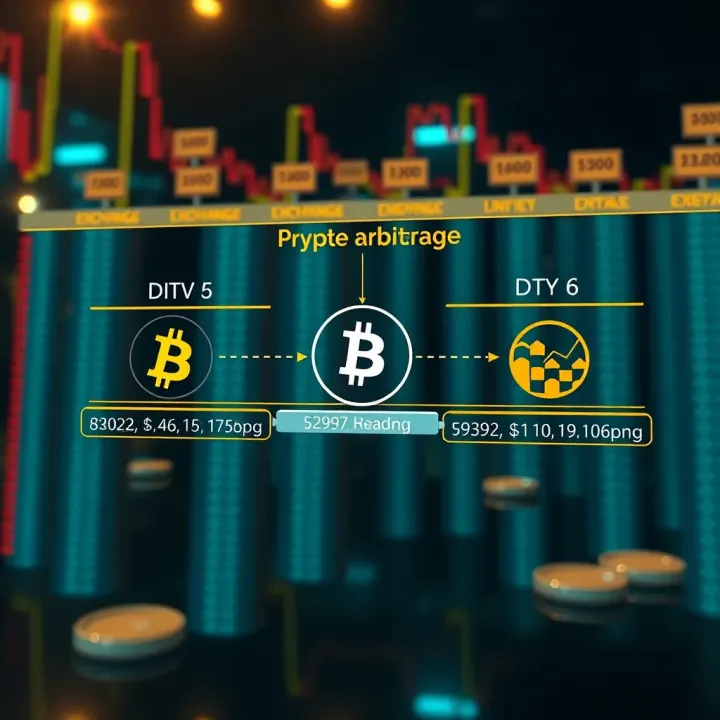
Discover how Nigerian traders can profit from crypto arbitrage by spotting price gaps across exchanges. Learn strategies, tools, and risks 📊💡🔥
Looking for the best crypto trading app in Nigeria? 🔍 Explore top features like security, fees, and local support to make smart trading choices! 💰📱
Based on 11 reviews