
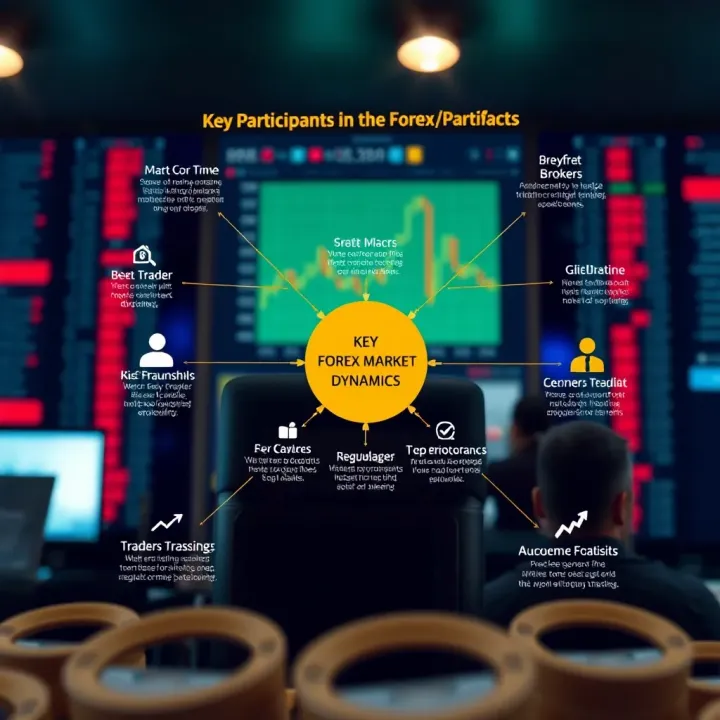
Forex Trading Basics for Beginners in Nigeria
📈 Learn forex trading basics in Nigeria—understand currency markets, key players, strategies, risks, tools, and local regulations to trade smartly.
Edited By
Sophie Walker
Forex trading is one of those things that can almost feel like learning a new language to a beginner — there’s jargon, fast-moving numbers, and plenty of risks that can catch a trader off-guard. For folks in Nigeria who want to get a solid footing in the foreign exchange market, understanding the basics is the best starting point.
In this guide, we'll map out the essentials: what forex trading really means, why currency values shift, and what kind of tools and strategies seasoned traders use to make smart decisions. Whether you’re an entrepreneur looking to hedge your business risks or an investor hunting for new opportunities, knowing these fundamentals helps you step into the market with confidence.
Trading forex isn't about quick wins alone; it requires patience, practice, and a clear grasp of market mechanics.
We’ll walk through key concepts and terminology that often baffle newcomers: from pip, lot sizes, and leverage to understanding market hours and risk management. By breaking down the complexity into straightforward language, this guide aims to demystify forex trading and show how you can approach it realistically — without getting overwhelmed by the noise.
This isn't just theory; practical advice and realistic examples will ground the content so you can see how things apply day-to-day. For example, you'll learn how the Nigerian Naira interacts with the US Dollar in the market, and what affects their exchange rate. By the end, you should feel comfortable enough to explore demo accounts and gradually work your way into live trading.
So, if you’re ready to cut through the confusion and get a reliable foundation in forex trading, keep reading. This guide is designed with you in mind — straightforward, genuine, and right on point for anyone eager to trade smarter.
Understanding the basics of forex trading is like getting a solid map before heading into a busy city. For anyone looking to step into currency trading, knowing what forex trading entails and how the market operates forms the backbone of smart decision-making. This section sets the stage by explaining what forex trading is and how the global foreign exchange market functions daily.
Forex trading is not just about exchanging one currency for another; it’s a way to speculate on currency value movements for profit or hedge against currency risk. For instance, if a Nigerian investor expects the US dollar to strengthen against the naira, they might buy USD in anticipation of selling it later at a higher rate. Grasping this concept helps traders understand how to position themselves wisely in the market.
Moreover, forex market operations can seem tricky without a clear picture of its continuous, 24-hour cycle. Unlike stock markets with fixed hours, forex trading operates across time zones and financial centers like London, New York, and Tokyo, creating constant opportunities and risks at all hours. Knowing when and how the market moves can offer traders a better shot at success, rather than jumping in blindly or trading based on hearsay.
The practical benefits of mastering this introduction are clear: traders can reduce costly mistakes, recognize real-time market cues, and build better strategies. Say you’re trading using the MetaTrader 4 platform; understanding the market’s mechanics helps you interpret charts and news events correctly instead of reacting emotionally. This section aims to remove confusion and arm you with the essentials before diving deeper into trading tactics.
Starting with a clear understanding of what forex trading really is and how the market runs leads to smarter, informed trading decisions – an indispensable first step for anyone serious about currency trading.
Forex trading, shorthand for foreign exchange trading, involves buying one currency while simultaneously selling another. It's like swapping your Nigerian naira for US dollars when traveling, except here, the focus is on the growing or shrinking value of currencies to make a profit rather than just convenience.
At its core, forex trading happens in pairs—there's always a base currency and a quote currency. For example, EUR/USD is a pair showing how many US dollars one euro can buy. If the rate moves from 1.10 to 1.15, it means the euro gained strength against the dollar, a chance for a trader who bought euro to make a profit.
The forex market is vast, with daily trading volumes exceeding $6 trillion worldwide. This liquidity means transactions can be swiftly executed with minimal price differences, which is crucial for traders chasing small profits regularly. However, it also means currency prices can swing rapidly due to economic news or geopolitical events, making it important to approach with both knowledge and caution.
For Nigerians, understanding forex trading can open doors to opportunities beyond local markets, allowing access to global currencies and diversifying investment portfolios. But it’s essential to know it’s not a guaranteed income source; risks are inherent, and thorough preparation matters.
The forex market operates as a decentralized network of buyers and sellers connected electronically or over the phone, around the clock during weekdays. Unlike centralized exchanges like the Nigerian Stock Exchange, forex transactions occur over-the-counter (OTC), meaning there's no single physical location for all trades.
Trading is dominated by banks, hedge funds, corporations, brokers, and individuals. Major currency pairs around the US dollar tend to see the highest liquidity. For example, trading USD/NGN might reflect how the Nigerian currency fares against the US dollar, influenced by factors like oil prices and policy changes.
The market follows the sun across major financial hubs: it opens Monday morning in Sydney and closes Friday evening in New York. This nonstop cycle allows for continuous trading opportunities but requires traders to know when volatility typically spikes — such as during London or New York sessions.
Prices in forex are driven by supply and demand but are also influenced by interest rates, inflation, political stability, and economic data releases. For instance, an unexpected drop in Nigeria's GDP growth could weaken the naira, affecting traders holding USD/NGN positions.
Remember, forex market’s around-the-clock nature means staying updated is key; a sudden event halfway across the world can ripple through to affect trades in Lagos by the morning.
Understanding this operational structure helps new traders get ahead of the market noise and focus on key elements that influence currency movements, improving decision-making accuracy.
Understanding the key forex trading terms is like having the right tools before you take on a big job. Without knowing the lingo, you might as well be tossing a coin every time you trade. This section breaks down the essential terms that form the backbone of forex trading, helping you make sense of what’s being quoted on screen and how trades are sized and managed.
Knowing these terms empowers you to interpret market moves, manage risks properly, and communicate clearly with brokers or fellow traders. For example, knowing what a "pip" is can be the difference between seeing a small move as insignificant or recognizing it as a good profit opportunity. Likewise, understanding "leverage" can keep you from wiping out your account during volatile periods.
By grasping currency pairs, pips, lots, and leverage, you essentially get a clearer picture of how trades work, how profits or losses are calculated, and how much exposure your account is taking.
Currency pairs are the heart of forex trading, and they always come in pairs because you’re exchanging one currency for another. Think of the pair like a seesaw — if one side moves up, the other moves down.
The pair is always quoted as two currencies. The first is called the "base currency," and the second is the "quote currency." For example, in the pair EUR/USD, the Euro is the base, and the US Dollar is the quote. If this pair is trading at 1.1800, it means 1 Euro costs 1.18 US Dollars.
Quotes show bid and ask prices:
Bid price is what buyers are willing to pay.
Ask price is what sellers are asking for.
The difference between these prices is the spread, which is where brokers often make their money. For traders, a tight spread means lower costs to enter or exit a trade.
Currency pairs are also divided into:
Major pairs: Those with USD, like GBP/USD or USD/JPY – most liquid and heavily traded.
Minor pairs: Do not include USD but involve other major currencies.
Exotic pairs: Mix major currencies with ones from smaller or emerging economies. Bewp, trading these might cost more due to wider spreads.
When you're trading forex, you’ll often hear about pips, lots, and leverage—each impacts your trade’s size and potential profits or losses.
Pip: It stands for "percentage in point" and is the smallest price move in most currency pairs. It’s usually the fourth decimal place. For example, if EUR/USD moves from 1.1800 to 1.1801, that’s one pip. Why does this matter? Because your profit or loss is measured in pips.
Lots: This refers to how many units of the base currency you’re trading. A standard lot is 100,000 units, a mini lot is 10,000, and a micro lot is 1,000. Smaller lots are perfect for beginners to manage risk without betting the farm.
Leverage: This is borrowing money from your broker to increase your position size. For example, with 50:1 leverage, you can control $50,000 with just $1,000 of your own capital. While leverage can boost profits, it equally amplifies losses, so use it wisely.
It’s easy to get carried away with leverage, especially when you’re just starting out. Many traders get into trouble by overestimating their comfort zone.
Knowing these terms is more than just jargon—it's about being confident and safe while navigating forex. With the right understanding, you won't just be trading blindly; you'll be stepping onto the battlefield with a clear strategy and a firm grasp of what’s at stake.
Getting started in forex trading can feel like stepping into a vast, unfamiliar world. But breaking it down into clear, manageable steps helps carve a path through the noise. This section zeroes in on the basics you need: picking the right forex broker, setting up your account properly, and mastering the trading platforms you'll use day-to-day. Each part plays a crucial role, whether you're just trying your hand or scaling up.
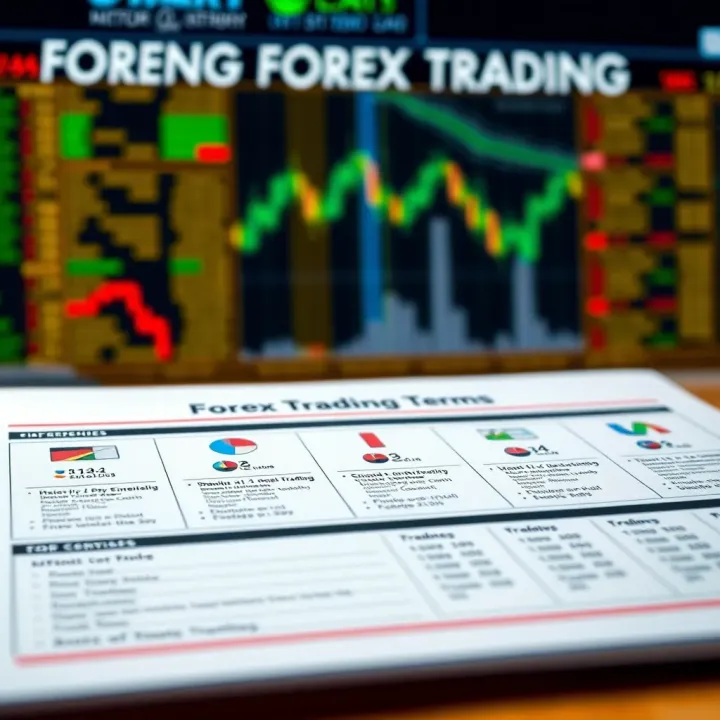
Your broker is the gatekeeper to the forex market. Picking a reliable one isn't just about good spreads or slick adverts; it’s about trust and safety. For instance, in Nigeria, platforms regulated by the Securities and Exchange Commission (SEC) or international entities like the Financial Conduct Authority (FCA) show a higher level of oversight. Avoid brokers that promise overnight riches – a red flag that usually means trouble.
Consider brokers like FXTM Nigeria or HotForex, which are popular locally and have a solid regulatory framework. Another point: transparency in fees and withdrawal policies. If a broker hides costs or complicates the withdrawal process, that's a cue to look elsewhere. It’s a good idea to read through user reviews, but don’t get swayed by overly positive or negative chatter. Instead, check out community forums for real, unfiltered feedback.
Opening a trading account might seem like just filling out forms, but there’s more nuance. You want to choose the right type of account based on your objectives and experience. For example, demo accounts let you practice trading with virtual money — a great sandbox for beginners. Once you’re confident, moving to a live account involves submitting ID documents like your National ID or international passport and proof of address to meet KYC (Know Your Customer) rules.
Also, be mindful of the funding methods. Most brokers support bank transfers, debit cards, and even mobile payment methods popular in Nigeria like Paga or Quickteller. Picking the most convenient and fee-friendly option reduces friction when you want to add or withdraw money. Before trading live, test the deposit and withdrawal process to avoid surprises later.
The trading platform is your cockpit — this is where you'll analyze charts, place trades, and manage your risk. Metatrader 4 and Metatrader 5 are by far the most common platforms and have a long-standing reputation for reliability. They support automated trading, custom indicators, and real-time price feeds.
Learning to navigate these platforms is more than clicking buttons. For instance, you should practice setting stop-loss orders that limit your downside if the market moves against you. Use technical tools like trend lines or candlestick patterns to make informed decisions rather than acting on impulse.
If you’re that type who prefers flexibility, mobile apps from brokers like IG or Saxo Bank offer decent functionality on the go. Just remember, adapting your trading style to the platform’s strengths can give you an edge, so spend time learning the ropes before risking real cash.
Starting right with a solid broker, a correctly set-up account, and confident use of your trading platform doesn't guarantee profits, but it sure lays a sturdy foundation in the fast-moving world of forex trading.
Each of these steps builds on the last and will prepare you to trade forex with more confidence and less guesswork. It’s about crafting a smooth entry into one of the world’s most dynamic financial markets, especially tailored for the Nigerian context.
Understanding how to analyze the forex market is like having a map when you're navigating dense woods — it guides your decisions and shapes your strategies. Without proper analysis, trading becomes a shot in the dark. For anyone serious about trading currencies, developing solid analysis skills offers practical benefits: it helps spot potential profit opportunities, avoid costly mistakes, and manage risk effectively.
Forex market analysis commonly splits into two main schools: fundamental and technical analysis. Both approaches serve different purposes but complement each other when combined. Let’s look closer at each to see how they provide the insights needed for making well-informed trades.
Fundamental analysis focuses on the underlying economic and political factors driving currency values. Think of it as examining the health and direction of a country's economy to guess where its currency might head.
Key indicators traders watch include interest rates, employment statistics, GDP growth, and inflation data. For example, if Nigeria's Central Bank raises interest rates, the naira could strengthen because higher rates attract foreign investment seeking better returns.
Political events also matter. A change in government policy or unexpected geopolitical tensions can cause sharp currency moves. Say there's unrest impacting oil exports in Nigeria—a major part of its economy—that turbulence might weaken the naira against other currencies.
Fundamental analysis demands keeping up with news and economic calendars but offers long-term perspective. It’s particularly useful for swing traders or those holding positions beyond just hours.
On the flip side, technical analysis looks purely at past price movements to predict future trends. It’s like reading footprints to figure out where someone is headed.
By studying charts and applying tools such as moving averages, Relative Strength Index (RSI), and support/resistance levels, traders attempt to spot price patterns or signals that repeat over time.
For instance, if the USD/NGN pair consistently bounces off a certain price level, that spot acts as support. Traders might buy near there, expecting a rebound.
Technical analysis suits day traders or scalpers who focus on timing their entries and exits in the short term. It’s less about economic news, more about crowd psychology seen through price action.
Combining fundamental and technical analysis offers a balanced approach. While fundamentals tell you why a currency may move, technicals help decide when and where to trade.
Ultimately, regular, disciplined market analysis tailored to your trading style is key. Staying informed, noting patterns, and adjusting strategies keep you from flying blind in the forex jungle.
A trading plan is more than just a set of rules—it’s your roadmap through the twists and turns of forex markets. Without it, you’re basically driving blindfolded, relying on luck and gut feelings. The reason a trading plan matters is simple: it gives you structure and discipline, helping you stay focused when the market gets wild.
Every good trading plan should cover what you’ll trade, when you’ll jump in and out, how much risk you’re willing to take, and how you’ll manage trades on the fly. Think of it like a recipe: miss an ingredient or skip a step and the whole dish can flop. For instance, if you decide to trade the EUR/USD pair only during London and New York sessions because that’s when volatility is higher, your plan makes sure you stick to those hours instead of chasing the market 24/7 and burning out.
Applying a trading plan forces you to consider real-world conditions—like sudden economic news or changes in volatility—and adjust accordingly. Having this kind of framework can save you from making scattershot decisions and keeps your emotions in check, which is one of the biggest challenges for any trader.
Successful traders often say that having a well-thought-out trading plan is like having a safety net. It doesn’t guarantee a profit every time, but it certainly reduces the chances of costly mistakes.
Risk management is the backbone of any durable trading plan. It’s about protecting your capital so you can trade another day. One common strategy is to never risk more than 1-2% of your trading account on a single trade. For example, if you have $1,000 in your account, putting more than $20 at risk is considered risky business.
Stop-loss orders play a key role here. They automatically close a trade when it hits a certain loss level, preventing you from losing more than you signed up for. Imagine buying GBP/USD with a stop loss set 50 pips away; once the price drops 50 pips, your trade exits automatically, saving you from watching losses pile up.
Another useful tactic is position sizing—adjusting the trade size based on how volatile the currency pair is or how much you’re willing to risk. This approach stops you from overtrading or taking on huge risks just because you feel lucky.
Additionally, diversifying trades by not putting all eggs in one basket helps spread risk. So instead of betting your whole account on one currency pair, you might split trades across EUR/USD and USD/JPY.
Setting clear and achievable goals keeps your trading plan grounded. It’s tempting to dream of doubling your bankroll overnight, but realistic expectations prevent frustration and reckless moves.
Start by defining what success looks like for you—whether it’s a modest 5% monthly return or simply maintaining consistent profits over time. Breaking down these goals in concrete numbers helps measure progress.
Alongside goals, set trading limits, like maximum number of trades per day or maximum drawdown limit (the biggest loss you’ll accept before stepping back). For example, if you hit a 10% loss on your account in a week, taking a break can help clear your head and avoid emotional decisions.
Keeping a trading journal is a practical way to track whether your goals and limits are working. Record what strategies worked, what didn’t, emotions felt, and reasons behind each trade. Over time, you’ll spot patterns that help refine your plan.
In short, a trading plan with risk management and realistic goals acts like a compass. It points you in a clear direction and helps you avoid pitfalls along the way, turning trading from guesswork into a thoughtfully guided process.
Understanding the pitfalls traders frequently fall into is just as important as grasping the fundamentals of forex trading itself. Avoiding common mistakes like overtrading and neglecting market research can save both your capital and sanity. This section highlights these issues to help you trade smarter, not harder, and stay grounded in practical strategies.
One of the fastest ways to drain your account is by overtrading — buying or selling too frequently in the hope of catching every market move. It’s like trying to catch every wave at the beach; eventually, you get wiped out. Overtrading often stems from emotional decisions rather than careful analysis. Traders sometimes chase losses, doubling down impulsively to “win back” money, which can quickly spiral out of control.
For example, imagine a trader who enters multiple trades after a string of losses without pausing to assess the market. The emotional urge to recoup losses might blind them to changing trends or signals. This reckless approach increases exposure and risk unnecessarily.
To avoid this, it's crucial to develop a solid trading plan with clear entry and exit points, then stick to it. Patience and discipline go a long way. Remember, sometimes the best trade is no trade.
Forex trading isn’t just about luck — it demands continuous research and attention to market conditions. Ignoring essential market data, economic news, and technical indicators can leave you blind to factors driving currency price movements.
Take the scenario of a trader missing major news like interest rate changes or geopolitical tensions that impact currency pairs like USD/NGN. Entering or exiting trades without this knowledge can lead to unexpected losses.
Market research includes:
Monitoring economic calendars for key announcements
Following central bank policies and political developments
Analyzing charts for price trends and patterns
Keeping yourself informed is not optional in forex trading; it’s the foundation for decision-making. Without it, you're gambling rather than trading.
Adopting routine research habits helps traders anticipate market moves, set better stop-loss limits, and avoid getting caught off guard.
By steering clear of these common mistakes, you preserve your trading capital and strengthen your decision-making skills, setting yourself up for more consistent success in the forex market.
Understanding forex trading without the proper learning resources and tools is like trying to navigate a dense forest without a map. Learning resources provide the foundational knowledge and ongoing insights, while tools help you apply what you learn more effectively. For traders, investors, and analysts especially, leveraging well-selected resources isn't just helpful; it's essential to making informed decisions and managing risks.
In Nigeria, where the forex market keeps evolving, having access to accurate, easy-to-understand materials can bridge the gap between confusion and confident trading. Plus, these resources often come at little to no cost, making them accessible whether you're just starting out or looking to deepen your expertise.
Free educational PDFs and guides are a treasure trove for anyone dipping their toes into forex. Many reputable brokers and financial education platforms regularly publish updated PDFs covering everything from basic terms to advanced strategies. For instance, brokers like FXTM and OctaFX offer downloadable guides tailored specifically for the Nigerian market, highlighting local regulatory details alongside trading fundamentals.
These PDFs are usually straightforward and packed with charts, examples, and exercises. Unlike lengthy books, you can skim right to sections you find tricky or revisit parts that need brushing up. The convenience of offline access means you can study during downtime without worrying about internet issues—a common challenge in some parts of Nigeria.
When selecting these materials, ensure they are from trustworthy sources. Double-check their publication dates to avoid outdated tactics and jargon-heavy language that might complicate things unnecessarily.
Online courses and tutorials take learning a step further by providing interactive content and expert guidance. Platforms like Coursera, Udemy, and Babypips feature forex courses specifically designed for different skill levels. For Nigerian traders, courses that discuss the unique market conditions and regulatory environment here add real value.
These courses often include video lessons, quizzes, and community forums where you can ask questions and share experiences. For example, a course explaining how to use MetaTrader 4 or MetaTrader 5 platforms offers hands-on experience, which is crucial before risking real money.
Some brokers go beyond standard courses and offer live seminars and webinars tailored to their clients. These are particularly good for staying updated on market trends and hearing the perspectives of seasoned traders.
Tip: Always look for courses with good reviews, clear instructor credentials, and up-to-date content to avoid wasting time on outdated or overly generic material.
By combining free guides and quality online courses, you can build a solid foundation and continuously sharpen your trading skills, giving you an edge in the bustling forex market.
Understanding forex regulations in Nigeria is not just about following rules; it's about protecting your investments and trading confidently. The Nigerian forex market has unique features shaped by local laws and financial authorities, so knowing how these regulations affect your trading activity is essential to avoid fines, scams, or legal trouble.
Regulations ensure that brokers operate fairly, protect traders from fraud, and help maintain the integrity of the market. Without this knowledge, traders might unknowingly engage with unlicensed brokers or fall prey to unethical practices, leading to losses or blocked withdrawals. For instance, the Nigerian Securities and Exchange Commission (SEC) and the Central Bank of Nigeria (CBN) actively monitor forex activities and enforce rules to safeguard investors.
Regulatory bodies like the Securities and Exchange Commission (SEC) and the Central Bank of Nigeria (CBN) play the lead role in supervising forex trading activities. The SEC handles licensing and oversees investment schemes, while the CBN sets monetary policies and controls foreign currency transactions to stabilize the economy.
These authorities require brokers to meet strict standards before they can offer services to Nigerian traders. For example, a licensed broker must have transparent trading platforms, prompt payout systems, and clear customer support. This acts as a filter to keep dishonest operators out.
Moreover, these bodies also regularly update guidelines to address new challenges, like online fraud and market manipulation. Traders should keep up-to-date with these changes to stay compliant. Ignoring these regulations might result in blocked accounts or even legal action.
Trading legally in Nigeria starts with choosing a broker that is registered and regulated by Nigerian authorities or recognized international bodies like the Financial Conduct Authority (FCA). Before opening an account, verify the broker’s credentials against official lists. Avoid offers promising sure-fire profits or requiring upfront payments outside normal trading deposits.
To trade safely, follow these practices:
Use secure internet connections to protect sensitive information.
Regularly update your trading software and devices.
Keep detailed records of your transactions and communications with brokers.
Be cautious of unsolicited advice or trading signals.
Also, be aware of the CBN’s restrictions on certain forex transactions, especially when dealing with offshore accounts. It’s wise to consult with financial advisors or legal experts when in doubt.
Staying within the bounds of Nigerian forex laws not only protects your money but also builds trust in your trading career.
By understanding and respecting local regulations, traders can focus on making informed decisions without the nagging worry about legal complications. It also ensures your trading profits aren’t at risk of confiscation due to regulatory missteps.
This knowledge lays the groundwork for responsible trading and helps build a safer forex ecosystem in Nigeria.
📈 Learn forex trading basics in Nigeria—understand currency markets, key players, strategies, risks, tools, and local regulations to trade smartly.
Learn the basics of forex trading with practical tips on currency pairs, platforms, and risk management. Start trading confidently today! 💹🌍📈
Start your forex trading journey with confidence 📈 Learn key concepts, market types, trading methods, and tips tailored for beginners in Nigeria 🇳🇬
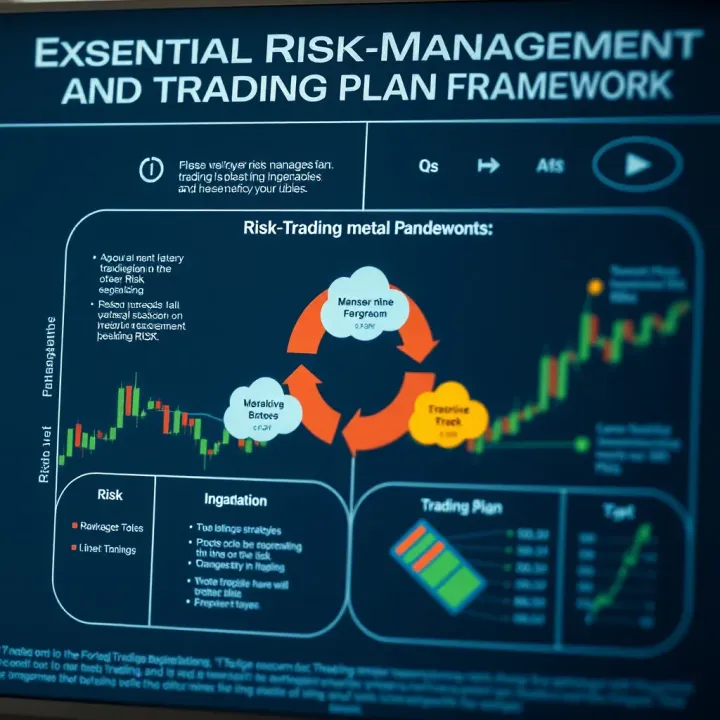
📈 Learn forex basics, trading strategies, risk control & tools. Perfect for Nigerian beginners aiming to trade currency pairs with confidence.
Based on 12 reviews