

Crypto Trading Guide for Beginners in Nigeria
📊 Dive into crypto trading with our detailed guide! Learn key strategies, tools, risks, and regulations to trade smartly in Nigeria and beyond. 💡
Edited By
Liam Davies
Cryptocurrency trading has become a notable avenue for wealth creation in Nigeria, especially as more people seek alternative investments amid naira volatility and inflation pressures. However, trading crypto without the right knowledge is like navigating Lagos traffic without a map — you risk getting stuck or losing out. This guide leans on top Nigerian books and downloadable PDFs, helping you grasp what matters most to trade confidently.
Successful crypto trading isn’t about luck; it requires understanding key market concepts, disciplined strategy, and effective risk management. Nigerian traders often face unique challenges like unreliable power supply affecting internet access or the naira-dollar exchange rate influencing their trading capital. Learning from proven resources tailored to these realities makes all the difference.

This section outlines foundational ideas from respected crypto trading books widely used here, plus practical insights from PDFs shared in local crypto communities. Here’s what to expect:
Core trading principles: Learn about market cycles, order types, and timing strategies.
Risk control: Discover how to set stop-loss orders and manage your exposure to avoid heavy losses.
Tools and platforms: Understand which exchanges and wallets fit the Nigerian context, including those that accept naira deposits.
Resource access: Find out how to locate credible, updated PDFs and books without falling for scams.
Trading crypto isn’t a get-rich-quick scheme. Instead, it’s a skill you sharpen with good information and practice. As one Nigerian trader said, "Trading crypto is like barbing salon business; you must learn the styles and tools before customers start coming." So, take your time, absorb the insights, then apply them steadily.
Remember, even the most sophisticated strategies fail without control and discipline. Keep your emotions in check, consistently learn, and adjust with changing market conditions.
Next, we explore practical trading strategies based on lessons from leading Nigerian crypto experts and authors to help build your ₦ portfolio intelligently.
Getting a solid handle on cryptocurrency trading basics is key for anyone serious about making smart moves in this fast-moving market. Without understanding its foundation, traders risk losing more than just money—they might lose their confidence and patience. This section breaks down essential elements that will help you navigate crypto trading, especially within Nigeria's unique landscape.
Cryptocurrency trading involves buying and selling digital coins or tokens in an effort to profit from price fluctuations. Unlike traditional stocks, cryptos trade 24/7 on various online exchanges. Traders can either take short-term positions through day trading or hold investments for the long haul. Think of it like purchasing tokunbo cars: you buy at a lower price hoping to sell at a higher one. Key to this is understanding market timing and price movement.
In Nigeria, crypto markets operate through a mix of local and international exchanges. Platforms like Binance, Yellow Card, and Luno offer access to popular coins against naira. Unlike stock markets, crypto trading runs round the clock without downtime, making it necessary to stay alert or use automation tools wisely. Also, Nigeria’s fluctuating naira value affects crypto prices locally, often pushing more traders to seek crypto as hedge against naira depreciation. However, regulatory uncertainty means traders must stay updated on Central Bank of Nigeria (CBN) guidelines to avoid surprises.
While Bitcoin (BTC) remains the flagship cryptocurrency, Nigerians also trade Ethereum (ETH), Binance Coin (BNB), and stablecoins like Tether (USDT) for more stable investments. Newer altcoins, including Polkadot (DOT) and Cardano (ADA), attract attention for potential growth but come with higher risk. Many traders balance their portfolio with a mix of these to manage volatility. For example, during ember months, some traders reduce high-risk coins anticipating market dips, focusing on more reliable cryptos instead.
A thorough grasp of these basics lays the groundwork for developing effective strategies and avoiding common mistakes, especially in Nigeria’s unique crypto environment.
Successful crypto trading books offer Nigerians practical guidance on navigating volatile markets. These strategies help traders make informed decisions instead of relying on guesswork or hype. Understanding technical analysis, fundamental analysis, and trading psychology forms the backbone of profitable trading, especially in the Nigerian context where market swings can be sharp and unpredictable.
Technical analysis involves studying past price charts and market data to predict future movements. Many top trading books teach how to read candlestick patterns, identify support and resistance levels, and use indicators such as Moving Averages (MA), Relative Strength Index (RSI), and Bollinger Bands. For example, recognising the ‘head and shoulders’ pattern can signal a potential market reversal. Nigerian traders often pair these tools with real-time data from platforms like Binance or Luno to time their trades better. Books also explain how to adjust strategies for 24/7 crypto markets, unlike traditional stock markets.

Unlike stocks, cryptocurrencies don't have earnings reports or dividends, so fundamental analysis focuses more on project viability and ecosystem developments. Key factors include the team’s credibility, blockchain adoption rate, token utility, and regulatory news. For instance, Nigerian traders learned early on how the CBN’s 2021 crypto directive affected market sentiment. Successful trading books advise monitoring news from credible sources and analysing whitepapers to avoid projects with weak fundamentals or scams. This approach helps traders anticipate price moves beyond just chart patterns.
The human element plays a critical role in crypto trading success. Books emphasise controlling emotions like fear and greed, which often lead to rash decisions. Maintaining discipline by setting stop-loss orders and sticking to trading plans avoids heavy losses. For example, Nigerian traders might feel pressured during the ember months to make quick profits but following psychological rules can protect capital. Moreover, the best traders practise patience, accepting small losses but allowing profits to run, a concept many beginners overlook.
Mastering these three strategic pillars—technical analysis, fundamental study, and emotional control—gives Nigerian traders a clear edge. They transform abstract knowledge from books into concrete, profitable trading habits.
In sum, successful crypto trading books not only teach theory but offer practical steps to boost confidence and decision-making. Nigerian traders who apply these lessons stand a better chance against the market's ups and downs.
In crypto trading, managing risks sits at the heart of sustainable success. The price volatility in cryptocurrencies, especially within the Nigerian market where naira fluctuations affect investment values, makes risk control indispensable. Without a solid system to limit losses, even the most promising trades can wipe out capital quickly. Avoiding common mistakes, including falling for scams, equally protects your portfolio and your peace of mind.
Top trading books stress the importance of setting stop-loss orders—a tool that automatically sells your crypto once it drops to a certain price. For instance, if you buy Bitcoin at ₦2.5 million, setting a stop-loss at ₦2.3 million limits your loss to ₦200,000. This technique guards against sudden market crashes, something not uncommon in Nigeria whenever regulatory announcements or international events hit headlines.
Diversifying your crypto assets is another key method. Nigerian traders sometimes put all their eggs in one basket, often chasing the latest meme coin. Leading books advise spreading investments across established coins like Bitcoin, Ethereum, and emerging altcoins with solid fundamentals. This balances the risk, reducing the impact if one asset tanks.
Books also recommend regularly adjusting your portfolio instead of "set and forget." Markets evolve, and so should your investment mix. For Nigerian traders, this might mean reducing exposure during the ember months, when the naira often weakens and liquidity dries.
Scams plague Nigerian crypto space more than any other challenge. Fake investment schemes and misleading advice appear everywhere, from WhatsApp groups to flashy social media pages. To avoid these traps, start by checking credentials. Legit projects usually have verifiable teams and clear whitepapers — a scammer won’t disclose this openly.
Beware of promises like guaranteed high returns or insider tips sent via unsolicited messages. Real crypto trading is volatile; no one can confidently promise quick, hefty profits. Also, confirm the authenticity of any downloadable PDFs or eBooks. Trusted sources include recognised authors and established platforms, while anonymous documents deserve heightened caution.
A practical check involves cross-verifying information across multiple trusted books or PDFs. Spot contradictions or overly complicated jargon that sounds too good to be true. Nigerian traders should also use official channels to validate exchanges and wallets, avoiding platforms with poor reviews or those that fail to provide adequate customer support.
Protecting your investment starts with protecting yourself. Managing risks and spotting scams are equally vital to thriving in crypto trading.
Staying alert to these lessons from top books will help you navigate the Nigerian crypto space more confidently, limiting potential losses and steering clear of deceptive schemes.
Crypto trading PDFs are vital learning tools for traders who want to deepen their understanding beyond casual browsing. These documents often pack detailed strategies, charts, and case studies that books or online articles might not cover extensively. Nigerian traders can especially benefit from PDF resources because many local traders and educators compile practical guides tailored to the Nigerian market conditions.
Locating reliable PDFs begins with sourcing from recognised platforms and authors who have proven credibility in the crypto space. For Nigerians, platforms such as Binance Academy and CoinGecko often provide free PDFs and reports reflecting current market trends, including insights relevant to African markets.
Books written by respected Nigerian traders or fintech educators may also release companion PDFs summarising key points. Websites of established crypto exchanges serving Nigeria, like Luno or Bundle Africa, sometimes offer educational downloads expressly designed for local traders.
On the flip side, avoid random downloads from unknown sources, as scammers use such files to spread malware or misinformation. Checking the author's credentials, cross-referencing content with trusted sources, and reading user reviews where possible help ensure the authenticity of a PDF.
While accessing a PDF is the first step, making it work for you involves a few deliberate practices. Start by scanning the table of contents to pinpoint sections relevant to your current level and trading goals. For example, if you struggle with technical analysis, prioritise chapters or sections focusing on indicators and chart patterns.
Use annotation tools to highlight crucial points or jot down notes directly on the PDF. This way, you engage actively with the material rather than just passively reading it.
Apply what you learn in a small way right away. Test a strategy from the PDF on a demo trading account or with minimal funds to grasp its practical effect. Many top Nigerian traders advise keeping a trading journal tracking such experiments, which helps link theory with real market behaviour.
access to qualitative resources, like well-curated crypto trading PDFs, bridges the gap between beginner mistakes and informed decisions.
Finally, revisit these PDFs severally to refresh your knowledge or reassess strategies as the market changes. New editions or updates that authors release can also reflect shifts in regulations or emerging opportunities, especially vital in Nigeria’s fast-evolving crypto landscape.
In summary, trustworthy crypto PDFs are treasures of structured knowledge. Leveraging them with care and practical focus will boost your skillset and confidence as a Nigerian crypto trader navigating volatile waters.
Successful crypto trading begins with the right tools and platforms. For Nigerian traders, picking trustworthy exchanges and reliable apps can make a difference between steady profits and losses. This section outlines practical options and considerations to help you trade confidently and efficiently.
Several crypto exchanges cater well to Nigerian users, offering convenient naira deposits and withdrawals. Binance is one prominent example, known for its wide range of cryptocurrencies and competitive fees. It supports P2P trading in naira, making it easier to fund your account directly from Nigerian banks. Another notable platform is Luno, which has a strong local presence and offers an intuitive interface suited for beginners and pros alike.
Meanwhile, KuCoin and Bybit serve traders looking for advanced tools and leverage options. These exchanges accept Nigerian traders but may have more complex verification processes. Whatever you choose, prioritise platforms with good security records, clear fee structures, and accessible customer support to avoid unexpected issues.
Most respected crypto trading books stress the value of charting tools for technical analysis. Apps like TradingView provide detailed charts with numerous indicators, widely used by Nigerian traders to spot market trends and make informed decisions.
Besides TradingView, mobile apps offered by Binance and Luno come with basic charting features integrated with order books and trade histories. These help traders react quickly to market changes, especially in volatile Nigerian markets affected by global news or local events.
Several books also recommend using portfolio trackers such as Blockfolio or CoinStats to monitor multiple coins and exchanges from a single dashboard. Keeping close tabs on your investments makes risk management more practical.
Safety should be top of mind. Use strong, unique passwords and enable two-factor authentication (2FA) on all your accounts. Given Nigeria's unpredictable power supply and internet stability, use mobile data backups or offline wallets to reduce exposure during outages.
Avoid chasing hype or sudden price pumps often seen around new memecoins. Stick with your trading plan and risk management strategies discussed in earlier sections. Also, beware of unsolicited tips from social media or WhatsApp groups, which some books warn can frequently be scams.
Lastly, monitor your network for phishing attempts and always verify URLs before logging into exchanges or apps. Regularly updating your devices and apps closes security gaps that criminals often exploit.
Good tools supported by disciplined habits form the backbone of profitable crypto trading in Nigeria. Combine local exchange accessibility with global charting insights, and stay cautious on security to protect your naira investments effectively.
By carefully selecting exchanges and apps recommended in trustworthy resources, Nigerian traders can navigate the dynamic crypto market more confidently and avoid common pitfalls that dampen returns.
📊 Dive into crypto trading with our detailed guide! Learn key strategies, tools, risks, and regulations to trade smartly in Nigeria and beyond. 💡

📈 A hands-on guide for Nigerians on crypto trading: learn how to pick exchanges, smart trading strategies, risk management, and stay compliant with local rules.
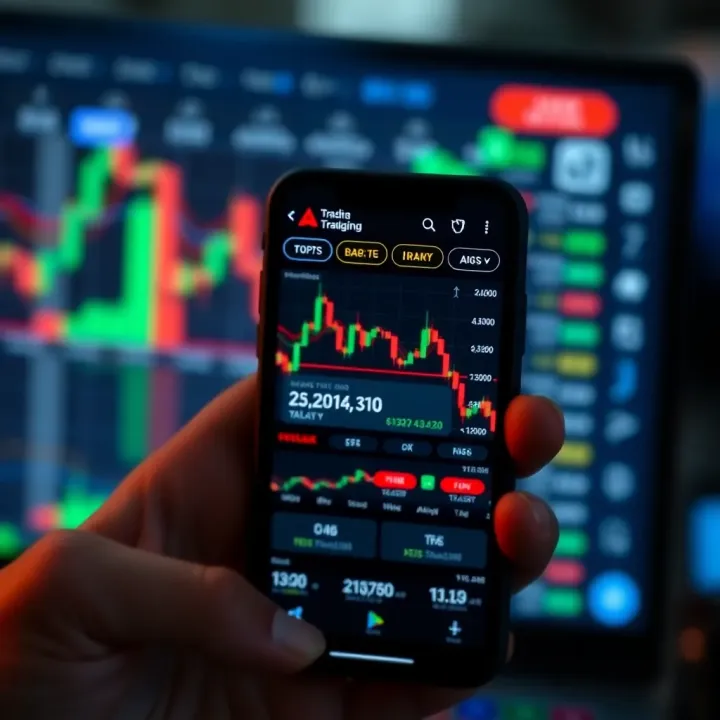
Discover the best trading app for Nigeria 🇳🇬 with tips on fees, security, features, and smart choices to fit your trading style and boost your investing success 📈

Explore Nigeria's top trading apps 📈, comparing their features, security 🔒, fees 💰, and ease of use to help you trade smarter and safer.
Based on 15 reviews